
Preventive Dentistry: 7 Essential Ways to Protect Your Smile and Avoid Bigger Problems

A practical guide to preventive dentistry, covering dental exams, professional cleanings, daily oral care, fluoride, sealants, and ways to reduce the risk of cavities and gum disease.
Preventive dentistry, sometimes described as preventive oral care, combines daily home habits with professional dental visits to lower your risk of cavities and gum disease. At home, that means brushing with fluoride toothpaste, cleaning between your teeth, and paying attention to how often you snack. In the dental chair, the focus shifts to changes and deposits that can be difficult to identify or manage at home. Prevention lowers the likelihood of trouble rather than eliminating it, so a cavity or dental emergency can still happen to someone with careful habits. The useful question is which preventive measures fit your mouth, health history, and stage of life.
What Is Preventive Dentistry?
Prevention has two parts. Daily oral hygiene limits the plaque and repeated sugar exposure linked to decay and gum inflammation. Professional care adds examinations, cleanings, and advice based on individual findings.
The goal is to reduce risk and identify concerns earlier, when they may be simpler to manage. It is not a promise of a problem-free mouth.
What Are Common Preventive Dentistry Services?
Most preventive visits draw from a short list, although no two patients necessarily receive the same combination:
- Oral exams of the teeth, gums, and soft tissues
- Professional dental cleanings
- Dental X-rays only when clinically indicated
- Fluoride treatments when appropriate for the patient's risk
- Dental sealants for vulnerable grooves when indicated
- Personalized home-care guidance
The mix depends on age, dental history, current findings, and individual risk. Routine dental check-ups and teeth cleanings are a common starting point, with other services recommended only when they fit.
What Happens During a Preventive Dental Visit?
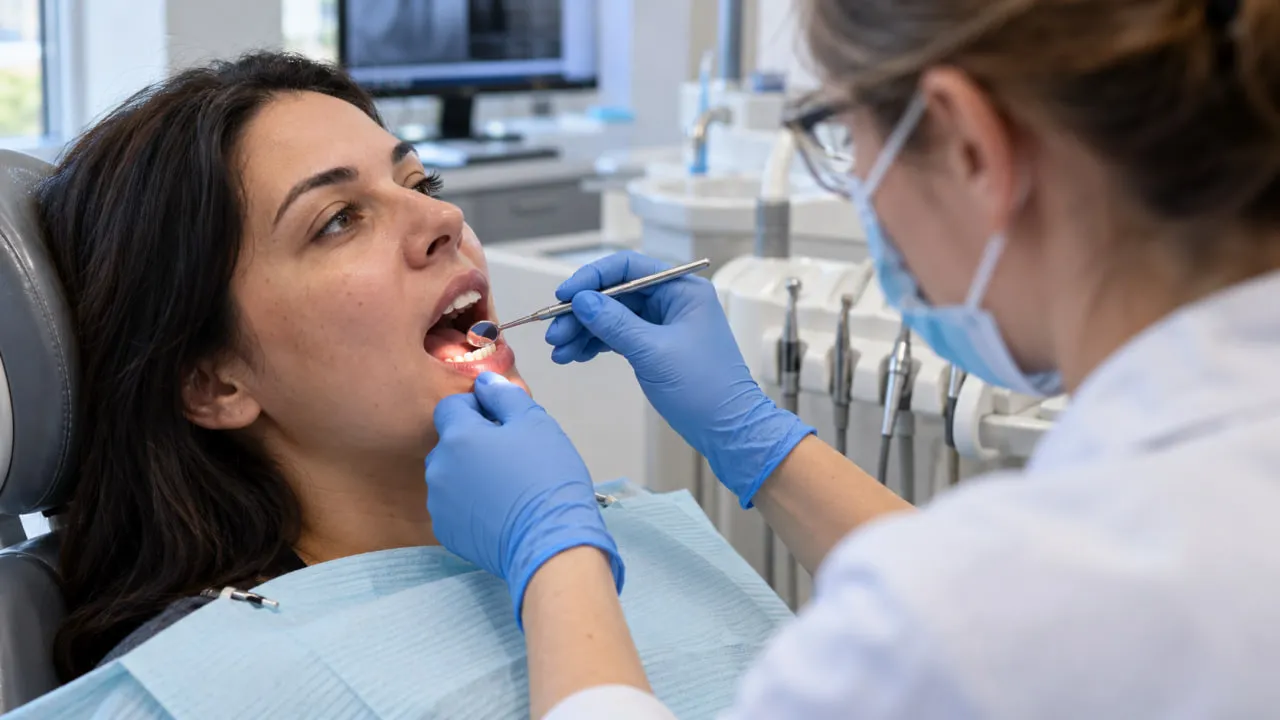
Appointments usually begin with questions about sensitivity, bleeding gums, new medications, or other recent changes. The dentist examines the teeth, gums, and oral tissues, and a professional cleaning may be completed when appropriate. The order can vary.
Dental X-rays are prescribed individually based on history, symptoms, previous images, and examination findings, not simply on a calendar. The visit ends with advice tied to what was found and a recommended time for follow-up.
Home Care vs. Professional Care: Why You Need Both
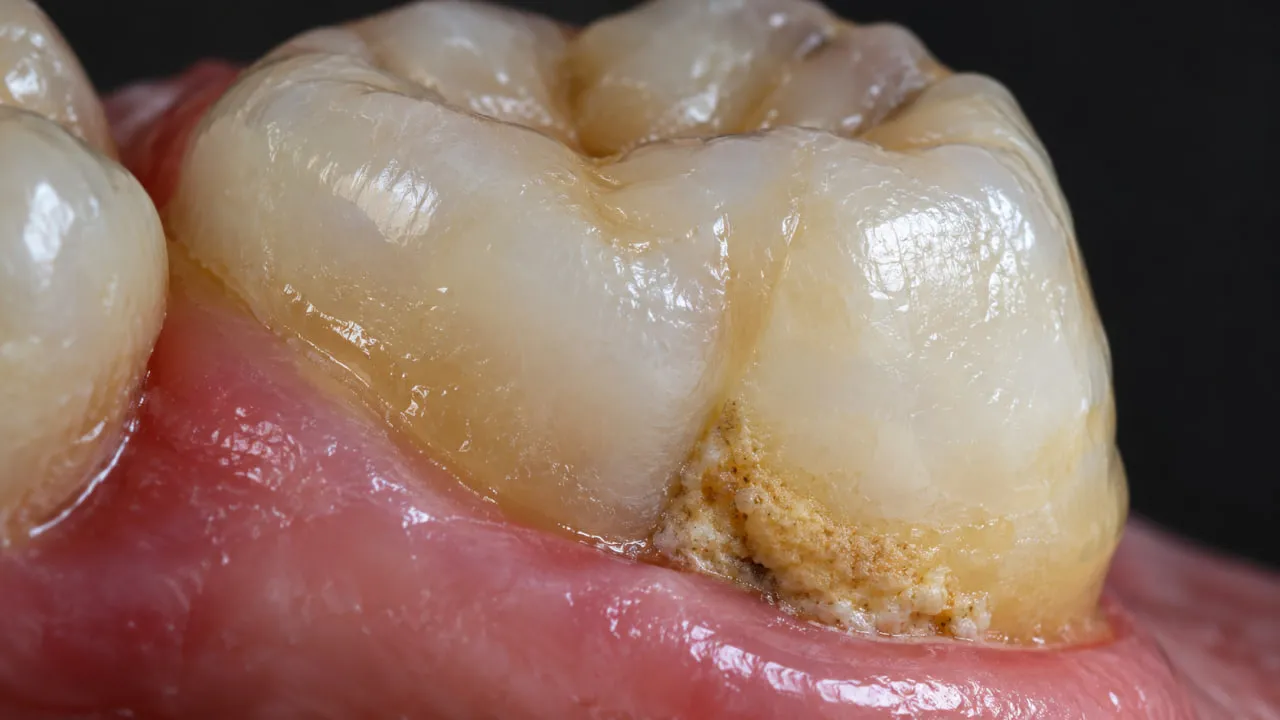
Brushing and interdental cleaning control soft plaque between dental visits. Once plaque hardens into tartar, it attaches firmly to the tooth and requires professional instruments for safe removal.
| Area | At Home | At the Dental Office |
|---|---|---|
| Plaque control | Daily brushing and interdental cleaning | Identifying areas that are regularly missed |
| Hardened tartar | Reducing further buildup | Removing established deposits |
| Examination | Noticing bleeding, sensitivity, or visible changes | Assessing teeth, gums, and oral tissues |
| Planning | Following recommended habits | Tailoring advice to individual risk |
Rough deposits that return in the same areas may be plaque and tartar buildup that daily cleaning cannot fully manage.
7 Key Practices of Preventive Dentistry
1. Schedule Dental Exams Based on Your Needs
Regular dental check-ups should follow your needs, not a fixed calendar. Your dentist recommends timing based on cavity risk, gum health, dental history, symptoms, and recent findings. The interval can change over time.
2. Keep Up with Professional Dental Cleanings
Professional cleaning supports gum disease prevention by removing hardened deposits and some surface stains that brushing cannot manage. It also lets the team monitor the gumline and identify areas your home routine may miss.
3. Brush with Fluoride Toothpaste and Clean Between Teeth Daily
Brush twice a day for two to three minutes with fluoride toothpaste, and clean between your teeth once daily. Brushing and flossing reach different surfaces, although another interdental tool may suit some people. Canadian oral health guidance recommends both.
4. Use Additional Fluoride When It Is Appropriate
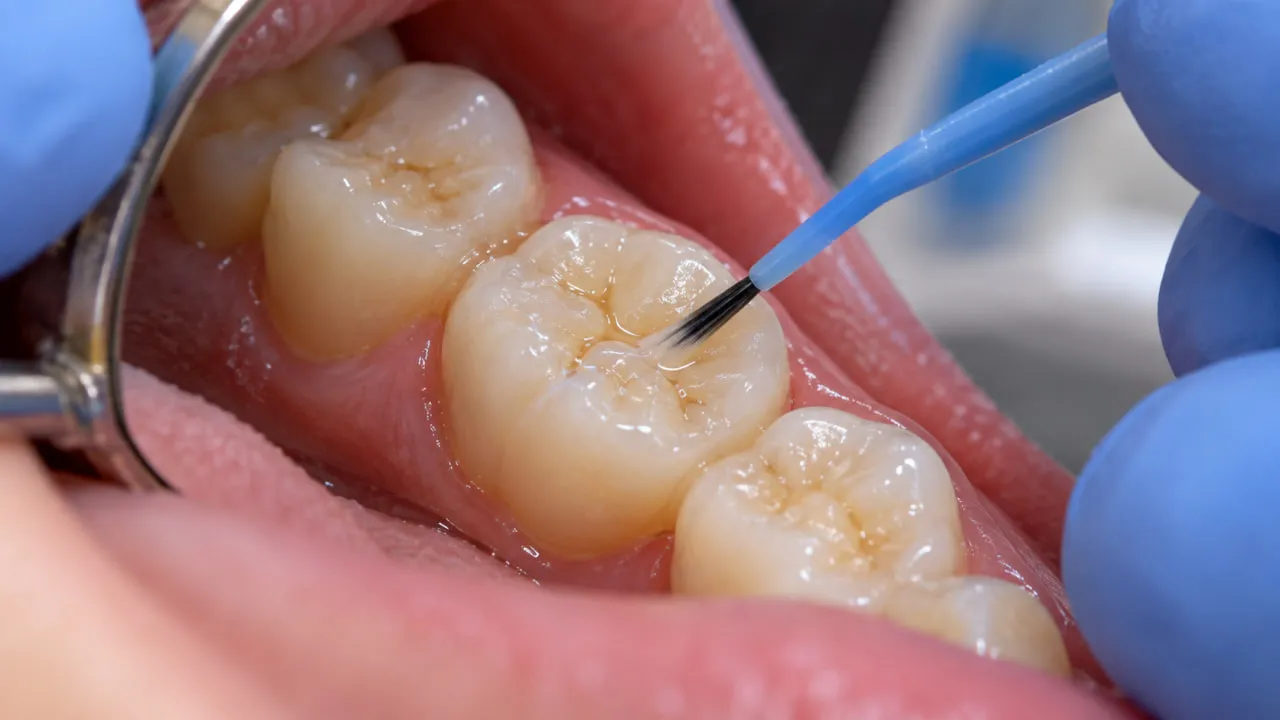
Additional fluoride is not routine for everyone. A dentist may recommend it based on age, new decay, exposed roots, dry mouth, or other findings associated with higher cavity risk.
5. Consider Sealants for Teeth with Vulnerable Grooves
Sealants are thin coatings placed over susceptible pits and grooves. They are common for children, but adults may also benefit when a tooth's shape and cavity risk make one appropriate. The decision is made tooth by tooth.
6. Reduce Frequent Sugar and Acid Exposure

Frequency matters. Repeated sugar exposure supports the bacterial process behind tooth decay and cavities, while acidic drinks and foods can soften enamel directly. For example, sipping sweetened coffee for several hours exposes teeth more often than having a sweet item with a meal.
7. Reduce Avoidable Risks

Wear a properly fitted mouthguard for contact sports. Avoid tobacco and vaping, both of which can affect oral tissues and gum health. If you use either, a dentist or healthcare professional can help you find appropriate quitting support.
What Are the Benefits of Preventive Dentistry?
The most direct benefit is a lower risk of tooth decay and gum disease. Early detection of dental problems also matters because a small area of decay or mild gum inflammation may be easier to manage than a concern discovered after pain begins.
Regular feedback can strengthen at-home preventive oral habits. Together, these measures improve the chance of avoiding urgent or more complex care, although they cannot rule it out.
What Is Preventive Dentistry for Children?
The Canadian Dental Association recommends a first dental assessment within six months of the first tooth appearing or by age one. For children under three, ask a dentist whether fluoride toothpaste is advised. When it is, use an amount about the size of a grain of rice. Children aged three to six use a pea-sized amount with adult supervision.
Routine examinations and cleanings follow, with sealants when indicated. Choosing water between meals, avoiding prolonged sipping on juice or milk, and using a mouthguard for sports also support preventive oral care. Family Dental Care Cayuga's general dentists provide children's dental care in Cayuga as part of family dentistry.
What Is Dental Erosion?
Dental erosion is the gradual loss of enamel caused by acids rather than the bacteria involved in tooth decay. Frequent soft drinks, sports drinks, citrus, and other acidic foods or beverages can contribute. Stomach acid from reflux may also play a role.
Keep acidic drinks to mealtimes, rinse with water afterward, and avoid brushing immediately after an acidic exposure. Persistent sensitivity or visible enamel wear should be assessed to help identify the likely cause.
Can Smoking and Drinking Affect My Teeth and Gums?
Yes. Smoking is associated with gum disease, delayed tissue healing, tooth staining, and oral cancer. Vaping may irritate oral tissues, while frequent alcohol use can contribute to dry mouth. Sugary or acidic alcoholic drinks may also increase exposure related to decay or enamel erosion.
What Oral Care Products Should I Use?
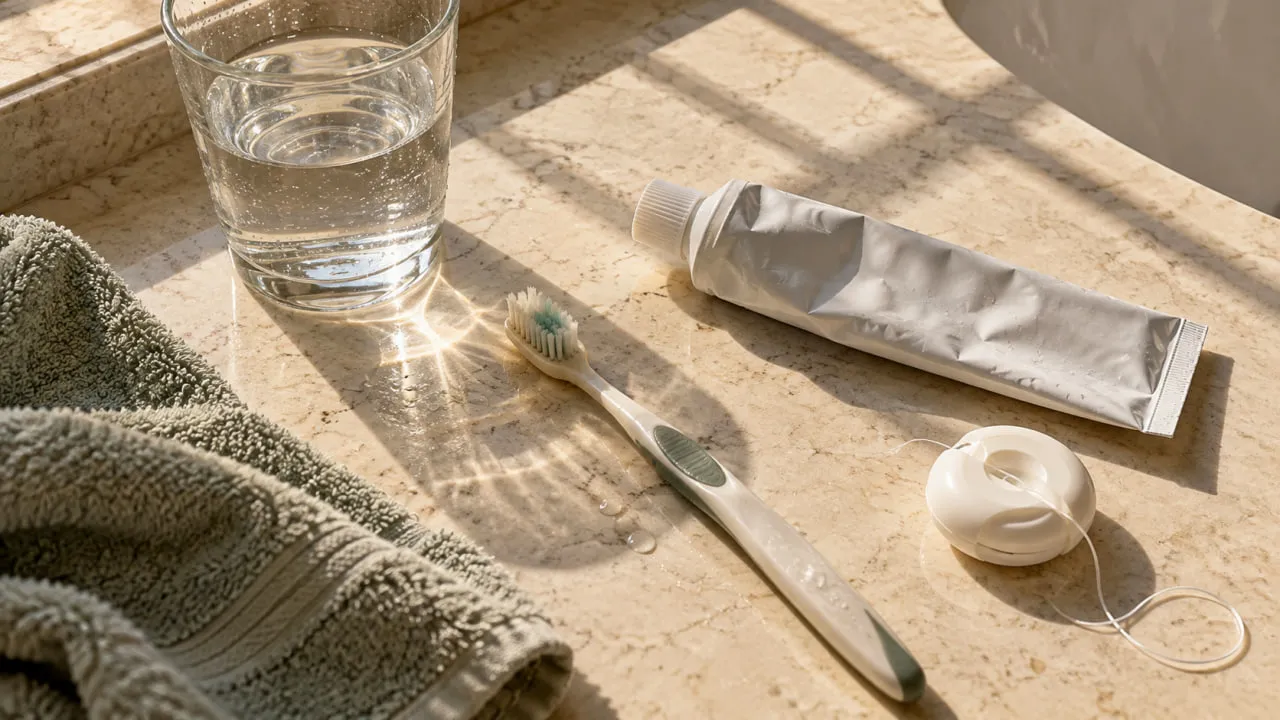
Most people need fluoride toothpaste, a soft-bristled toothbrush, and floss or another suitable interdental cleaner. Manual and electric toothbrushes can both work well. The best interdental tool depends on tooth spacing and existing dental work.
Mouthwash is optional. A dentist may recommend a particular rinse for some patients, but it does not replace brushing or cleaning between teeth.
What Type of Dentist Offers Preventive Dental Care?
General and family dentists, working with dental hygienists, provide most preventive dentistry. When someone needs care beyond a general dentist's scope, a referral may be recommended. Family Dental Care Cayuga is a general and family practice serving adults and children from Cayuga and across Haldimand County.
Are Fillings Considered Preventive Dental Care?
Generally, no. Fillings, crowns, and root canal treatment address existing decay or damage, so they are restorative. Prevention aims to lower the likelihood of needing these treatments. A routine visit may identify a developing problem, but any recommendation depends on the examination and relevant diagnostic findings.
Frequently Asked Questions About Preventive Dental Care
How Often Should I Visit the Dentist for Preventive Care?
No single interval suits everyone. A dentist bases the timing on age, gum condition, cavity risk, dental history, symptoms, and examination findings. Someone with stable gums may follow a different schedule from a person managing active inflammation.
Is Preventive Dentistry Only for Children?
No. Prevention matters at every age, although needs change over time. Gum changes, aging restorations, medication-related dry mouth, or exposed roots can affect both the type and timing of adult care.
Can Preventive Dentistry Really Save Money?
It may, but no result is guaranteed. Finding a concern earlier and lowering overall risk may reduce the chance of needing more complex care. Costs still depend on individual needs, examination findings, treatment recommendations, and coverage.
Does Preventive Care Help Avoid Dental Emergencies?
It may reduce certain risks related to deep decay, gum disease, damaged restorations, and sports injuries when a mouthguard is worn. It cannot prevent every infection, cracked tooth, accident, or urgent dental problem.