
How to Remove Hard Plaque at Home: 5 Safe Steps and DIY Risks

Learn how to manage hard plaque and tartar buildup safely, why professional cleaning is needed, and which home care habits help prevent future deposits.
If you're wondering how to remove hard plaque at home, the safe answer is that hardened tartar, also called dental calculus, can't be removed with brushing, flossing, toothpaste, or household mixtures once it has set on a tooth. A dentist or dental hygienist removes it with appropriate instruments.
Home care still matters. It clears daily soft plaque and helps limit further buildup. Online advice often blurs that distinction, suggesting that baking soda, vinegar, or home scaling kits can lift hard deposits. This guide separates useful habits from DIY claims without risking avoidable injury to tooth enamel or delicate gum tissue.
How to Remove Hard Plaque at Home: The Safe Answer
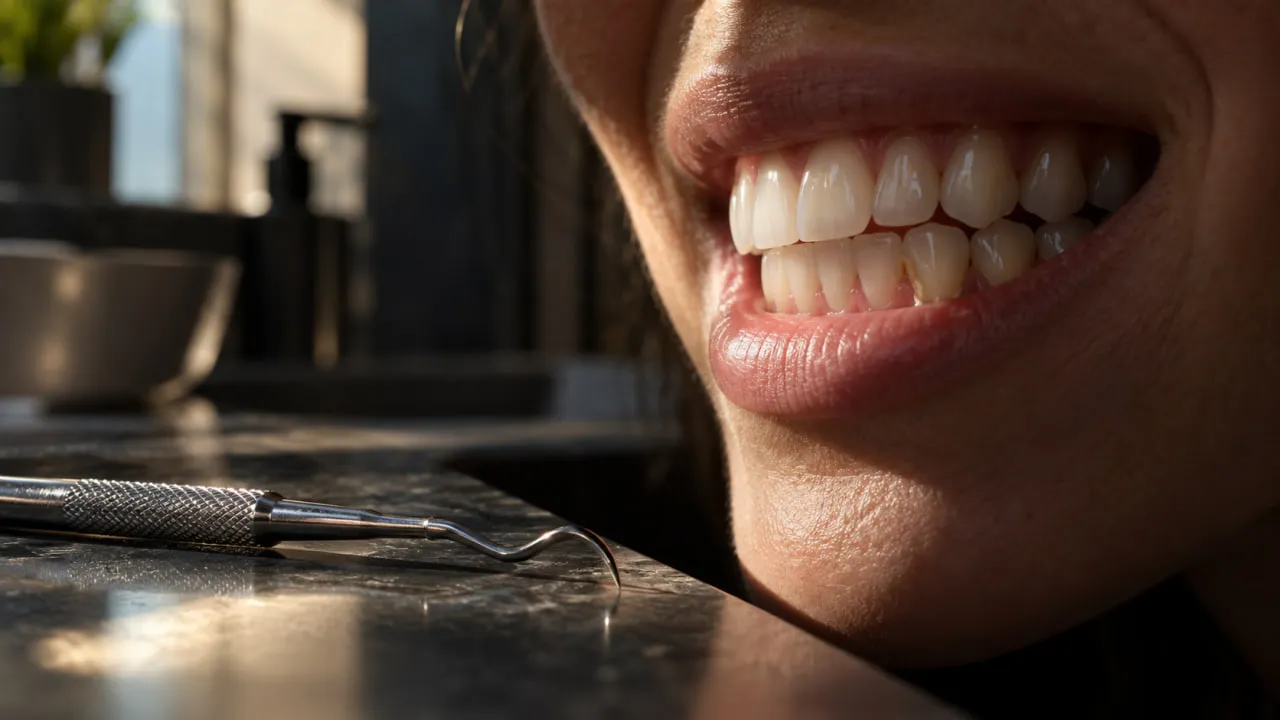
Soft plaque is a film that brushing and interdental cleaning can disrupt. Tartar is mineralized and firmly attached, so normal home care will not lift it.
Brushing harder may irritate the gums or wear exposed roots. Metal picks and home scaling kits are not substitutes for professional instruments. Until your appointment, continue gentle brushing and interdental cleaning but leave the hard deposit alone.
Plaque vs. Tartar: What Is the Difference?
Most people asking how to remove hard plaque at home are describing tartar. Plaque is a sticky bacterial biofilm that daily cleaning can disrupt. When it remains, minerals in saliva can harden it into tartar, clinically called dental calculus. Deposits may form above or below the gumline.
Not every yellow or brown mark is tartar, so do not test one with a sharp object.
Why Does Tartar Build Up?

Tartar tends to develop where plaque is missed and saliva collects, such as behind the lower front teeth. Crowded areas, dry mouth, tobacco use, and braces, retainers, or bridges can make cleaning more difficult.
Buildup rates differ between people. Tartar may return despite conscientious care, so recurring deposits are not proof of poor hygiene. A dental hygienist can identify problem areas and suggest practical changes.
What Does Tartar Look and Feel Like?
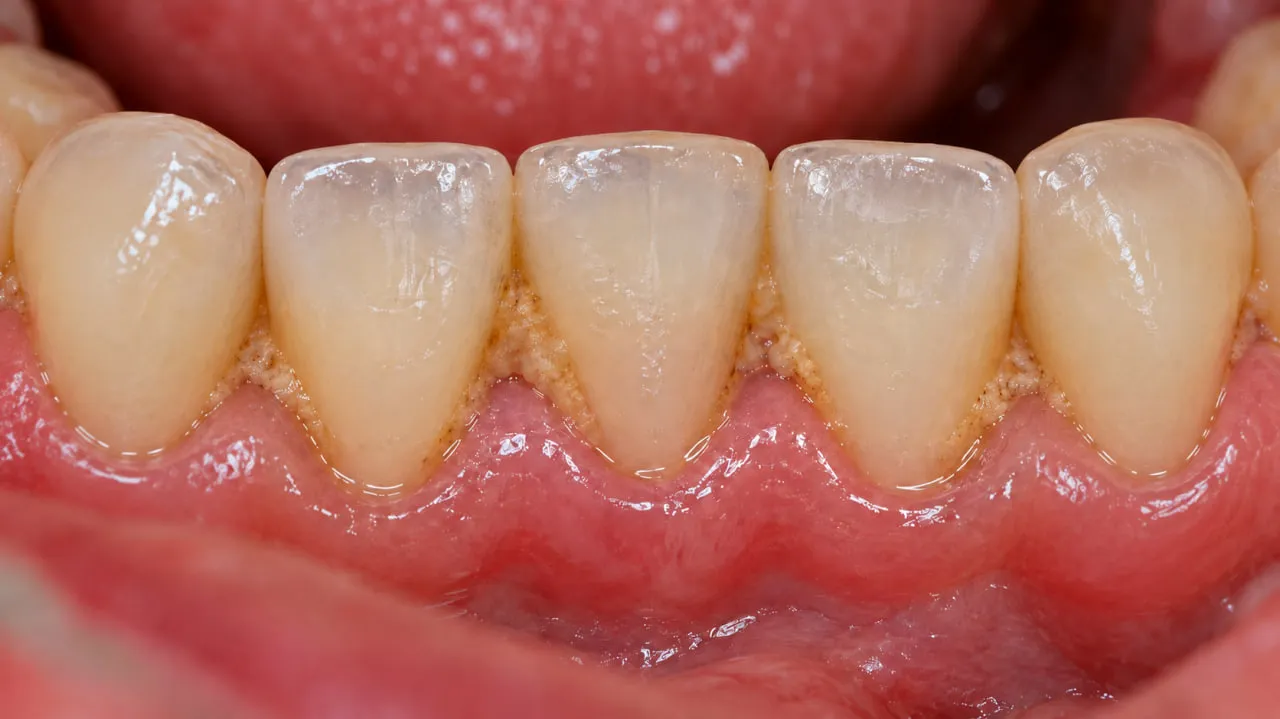
Tartar feels hard or gritty and may appear yellow, brown, or darker near the gumline. One example is a rough ridge behind the lower front teeth that remains after brushing. Stain, decay, a chipped edge, or a damaged filling can feel similar.
Redness, bleeding gums, or persistent bad breath may accompany buildup, but none confirms gum disease. Some advice about how to remove hard plaque at home suggests probing deposits with a pick. Assessment is safer and more reliable.
How Tartar Can Affect Teeth and Gums
Tartar is mineralized, but its rough surface can retain fresh plaque and make cleaning harder. Bacteria within that plaque can irritate the gums, causing redness, swelling, or bleeding.
Persistent inflammation below the gumline may lead to periodontal problems. Retained plaque can also increase decay risk on susceptible surfaces. The appearance of tartar alone does not establish a diagnosis.
5 Safe Steps to Manage Plaque and Tartar Buildup
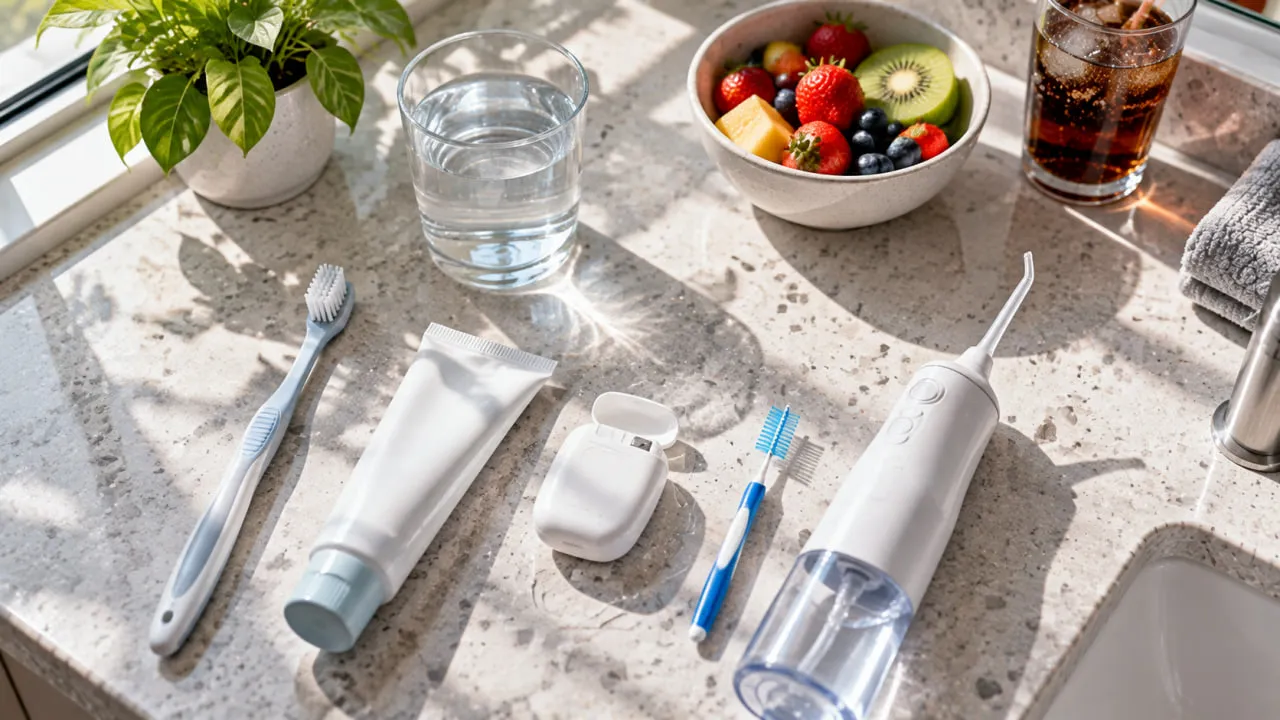
If you came here looking for how to remove hard plaque at home, these five steps cover what home care can achieve: disrupting soft plaque and reducing further buildup, not removing hardened tartar.
1. Brush Twice Daily with Fluoride Toothpaste
Brush for two minutes, twice daily, using a soft-bristled toothbrush and fluoride toothpaste. Clean gently along the gumline and other areas where plaque remains. More pressure is not better.
2. Clean Between the Teeth Every Day
Floss reaches surfaces a toothbrush misses. Interdental brushes may suit wider spaces, bridges, or braces, while a water flosser can help when string floss is difficult. None removes established dental calculus.
3. Reduce Frequent Sugary Snacks and Drinks
Frequent sweet drinks or snacks repeatedly expose plaque bacteria to sugars. Reducing that frequency and choosing water between meals supports plaque control, although diet cannot dissolve tartar.
4. Avoid Tobacco
Tobacco contributes to staining and buildup and is associated with gum problems. A healthcare professional can discuss appropriate quitting support without judgment.
5. Arrange an Assessment and Professional Cleaning
A dentist or dental hygienist can distinguish tartar from stain, decay, or another change and recommend suitable care. These habits reflect the Canadian Dental Association's preventive-care guidance.
Choosing Toothpaste for Plaque Control
Toothpaste is often the first change people make while researching how to remove hard plaque at home. Fluoride toothpaste helps prevent cavities and supports soft-plaque removal. Tartar-control toothpaste may limit new buildup but cannot remove attached calculus.
A formulated fluoride toothpaste containing baking soda differs from a homemade abrasive mixture. The right product depends on sensitivity, decay risk, and other needs.
Home Remedies for Tartar Removal: What the Claims Miss
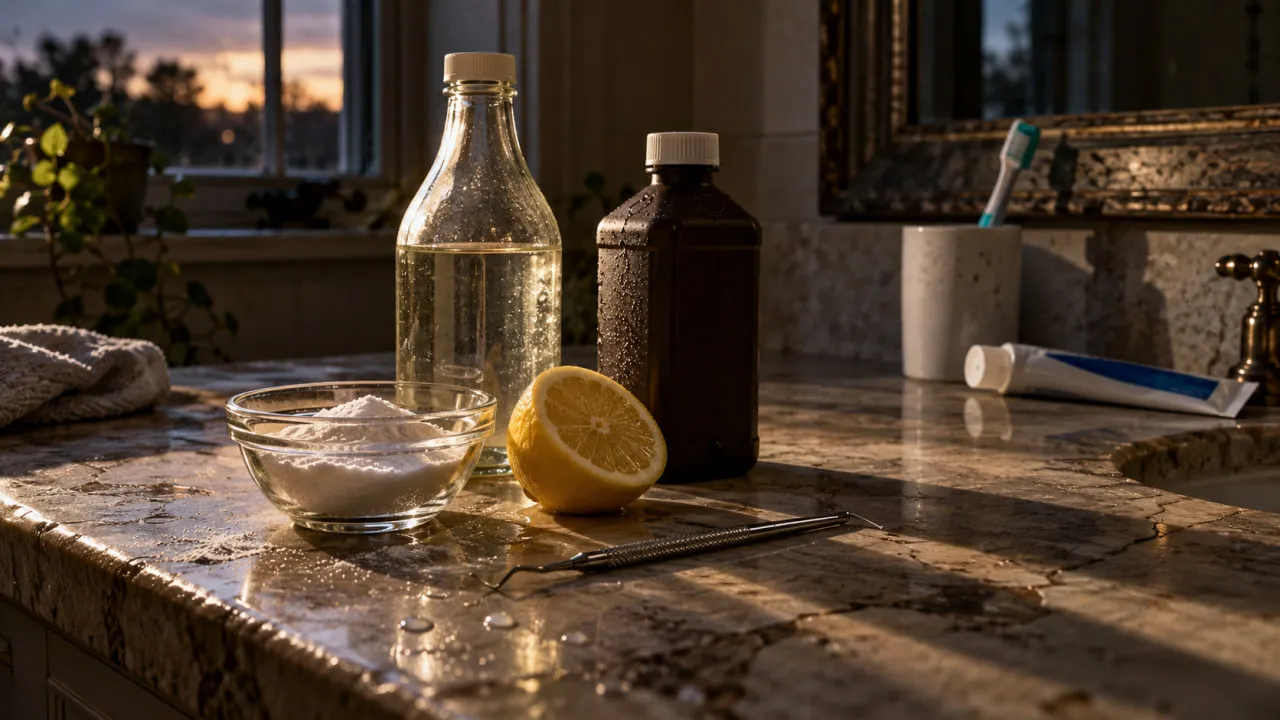
Many pages about how to remove hard plaque at home treat evidence about soft plaque, bacteria, or stains as proof of hardened-plaque removal. These are different outcomes.
- Baking soda: It can be used in formulated toothpaste, but an improvised scrub adds no fluoride and does not detach tartar.
- Hydrogen peroxide: Products or concentrations not intended for oral care can irritate tissues. Peroxide is not a calculus remover.
- Coconut oil and oil pulling: Reliable evidence does not show removal of established tartar. Oil pulling cannot replace brushing, interdental cleaning, or professional care.
- Vinegar, lemon, and fruit acids: Prolonged acid exposure can erode enamel, which does not grow back.
- Household scrapers and scaling kits: These can cut gums, damage teeth or restorations, and leave deposits behind.
How Dentists Identify Tartar
The assessment includes examining the teeth, gums, and deposits and checking for bleeding, recession, or other changes. Periodontal measurements may help evaluate gum health. Dental X-rays may be recommended if decay, bone changes, or another problem is suspected.
Neither is automatic at every cleaning. Findings help distinguish tartar from stain, decay, cracks, or damaged restorations.
What Happens During Professional Teeth Cleaning?
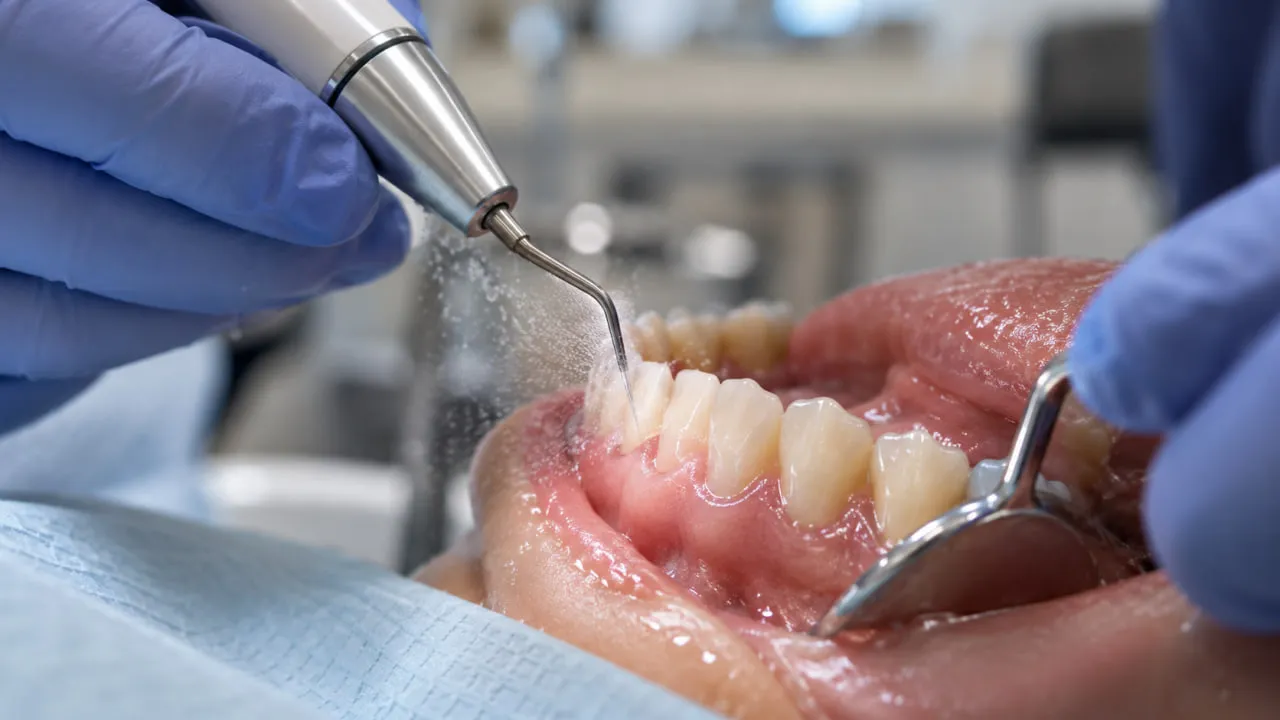
Tartar removal is called dental scaling. A dental hygienist may use ultrasonic instruments, hand instruments, or both according to the findings. Polishing may follow, but it addresses surface stain or roughness and does not replace scaling.
Comfort varies with buildup, gum inflammation, exposed roots, and sensitivity. Mention tender areas or anxiety beforehand and speak up if a spot feels uncomfortable.
For anyone still asking how to remove hard plaque at home, established tartar is removed during professional teeth cleaning, not through DIY scraping. Patients across Haldimand County can call Family Dental Care Cayuga at (905) 772-3535 to ask about an assessment.
Professional Tartar Removal in Cayuga

Daily care can remove plaque at home and limit new buildup, but it cannot safely remove established tartar. That is the practical answer to how to remove hard plaque at home. A gap since your last cleaning does not prevent you from booking now.
Hard buildup that brushing will not shift? Call Family Dental Care Cayuga at (905) 772-3535 to arrange an assessment. The clinic is at 5 Talbot St W, Unit 1, Cayuga, serving patients across Haldimand County. Same-day cleaning appointments may be available, although openings vary.
Family Dental Care Cayuga accepts many private and employer plans and the Canadian Dental Care Plan (CDCP). Eligible claims can be submitted electronically, and direct billing may be available where permitted. Coverage and any patient portion vary.
When Tartar Buildup May Require a Different Gum-Care Plan
A routine cleaning may be appropriate when assessment does not identify periodontal disease requiring additional care. Deeper deposits or periodontal changes may call for a different treatment sequence, follow-up, or maintenance interval.
Visible tartar alone does not mean deeper treatment is necessary. Recommendations depend on measurements, inflammation, bone support, symptoms, and other findings.
Frequently Asked Questions About Plaque and Tartar
How Often Should I Get a Dental Cleaning?
There is no universal interval. Gum health, cavity history, buildup rate, previous treatment, and recent findings affect timing. The dental team can recommend an interval after assessing your teeth and gums.
Does Tartar Removal Hurt?
Sensations vary. Heavy buildup, inflamed gums, exposed roots, and sensitivity can make some areas uncomfortable. Identify tender spots before cleaning and mention discomfort so the hygiene team can adjust the approach when appropriate.
What Should I Do If Tartar Breaks Off?
Do not pick or scrape the area. The fragment may be tartar, but a sharp edge could involve a chipped tooth or filling. Arrange an assessment, especially for pain, bleeding, or visible damage.
Why Can Tartar Turn Black?
Dark color can reflect tobacco, tea, coffee, or other pigments. Deposits below the gumline may also darken through contact with blood products. Decay and damaged restorations can look similar, so appearance alone cannot confirm the cause.