
A practical guide to bruxism appliances, warning signs of teeth grinding, night guard types, care, and coverage in Cayuga.
A bruxism appliance, often called a night guard for teeth grinding, is a removable dental device that protects the biting surfaces when you grind or clench. It gives the teeth another surface to meet, helping limit direct enamel-to-enamel contact and wear on fillings or crowns. It does not switch the habit off.
Many people first think about one after a partner hears grinding at night or they wake with a tight jaw. Those clues deserve attention, but none amounts to a diagnosis. The more useful question is whether the habit is affecting the teeth, restorations, muscles, or sleep. That is where an assessment becomes useful.
What Is a Bruxism Dental Appliance?
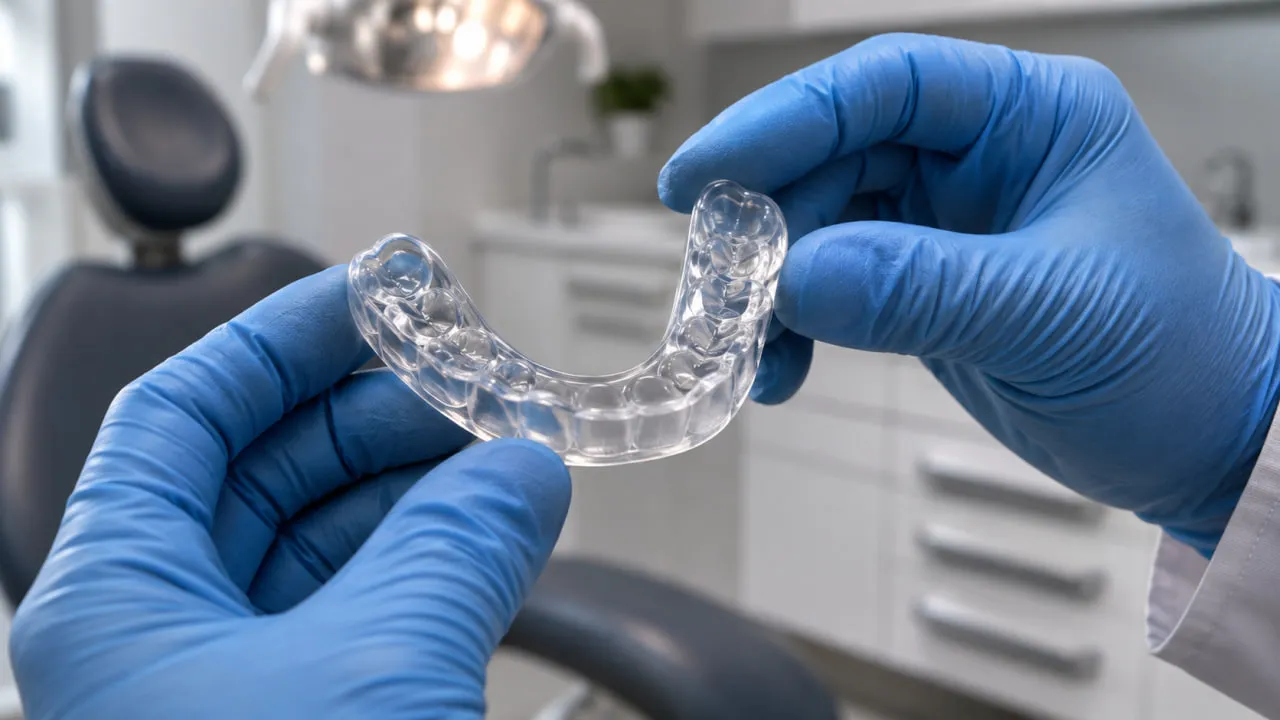
A bruxism appliance fits over the biting surfaces of the upper or lower teeth. It may also be called a night guard, brux guard, bite splint, or occlusal splint. The material and design vary according to the patient's teeth, bite, symptoms, and treatment goals.
When the jaw closes with force, the opposing teeth meet the appliance instead of making direct contact with each other. The device may take on wear that would otherwise affect tooth structure or dental work. It is not a proven way to permanently stop clenching, it does not cure a jaw-joint disorder, and an ordinary guard does not treat obstructive sleep apnea.
What Is Bruxism?
Bruxism is repetitive jaw-muscle activity that involves grinding, clenching, or bracing the lower jaw. Current research definitions describe it as a behavior rather than automatically a disease.
Plenty of people grind occasionally without damage or pain. It becomes a clinical concern when linked to consequences such as tooth wear, or to another condition such as a sleep-related breathing disorder. A report of grinding is a reason to look closer, not proof of harm.
Types of Bruxism

Timing shapes both awareness and management, so clinicians usually separate bruxism by when it occurs.
- Sleep bruxism happens in short episodes during sleep. Many people learn of it from a partner or a dentist.
- Awake bruxism is mostly teeth clenching or bracing during the day, often while driving or concentrating. Awareness strategies matter more here, though habits are rarely simple to change.
- Childhood bruxism is fairly common and often lessens with age, but not always. Because jaws and teeth are still changing, any appliance decision for a child needs an individualized assessment.
Occasional episodes do not automatically call for an appliance at any age.
What Causes Teeth Grinding?
No single cause explains teeth grinding. Research points to a mix of factors, and most are associations rather than proven triggers:
- Stress and anxiety, particularly with awake clenching
- Sleep arousals, the brief shifts toward lighter sleep when many episodes occur
- Sleep-disordered breathing, including obstructive sleep apnea, in some people
- Selected medications, including some antidepressants
- Tobacco use
- Heavy caffeine intake
- Heavy alcohol use
An uneven bite is sometimes blamed, but it has not been shown to be the universal cause, and adjusting the bite is not a proven cure. If grinding begins after a medication change, speak with the prescriber rather than changing or stopping the medication yourself.
Do I Need to See a Dentist?
These seven signs are reasonable prompts for a dental assessment. None confirms bruxism by itself, and each has other possible explanations.
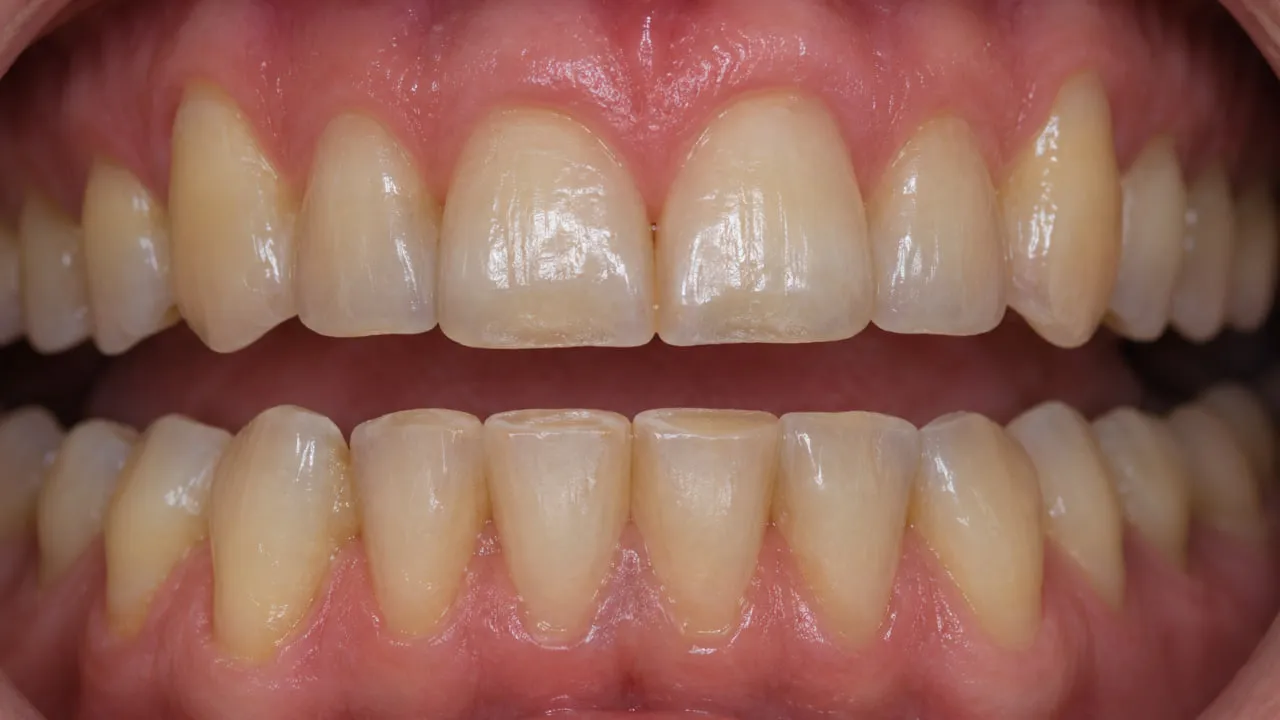
- Flattened or worn biting edges. Teeth that look shorter or have shiny flat spots may reflect grinding, though acid erosion and aging also wear enamel.
- Unexplained chips or cracks. Small fractures without an obvious injury can follow repeated force.
- Tooth sensitivity. Worn enamel can expose sensitive layers, but decay and gum recession can do the same.
- Morning jaw soreness or stiffness. Tired muscles on waking may follow clenching or point to a jaw-joint problem.
- Recurring morning headaches. These are sometimes associated with clenching, but headaches have many causes and persistent ones deserve medical attention.
- Grinding noises noticed by a partner. A witnessed sound is a fairly direct clue, though it says nothing about how much damage is occurring.
- Damage to fillings or crowns. Restorations that crack, loosen, or wear quickly may signal heavy forces.
Hypothetical example: A 42-year-old has jaw stiffness most mornings that eases by lunch, and a hygienist mentions that the lower front teeth look flat at the edges. Together, those findings justify a closer look, but the dentist would still consider other explanations before suggesting any appliance. This scenario is illustrative, not a real patient.
If these changes sound familiar, call Family Dental Care Cayuga at (905) 772-3535 to arrange an assessment.
Unwanted Consequences of Bruxism
When grinding is frequent and forceful, effects tend to build slowly. Not everyone develops them, but recognized possibilities include:
- Tooth wear that shortens teeth
- Fractures of enamel, cusps, or whole teeth
- Damaged restorations, such as chipped porcelain
- Gum recession, where heavy forces may be one contributor among several
- Muscle discomfort in the cheeks and temples
- Possible jaw-joint symptoms, such as clicking, stiffness, or jaw pain
During an exam, the dentist can check restorations such as fillings, crowns and bridges for chipping, wear, or loosening that may suggest repeated loading. Protecting existing dental work is often one of the most practical reasons to consider a guard.
Diagnosis
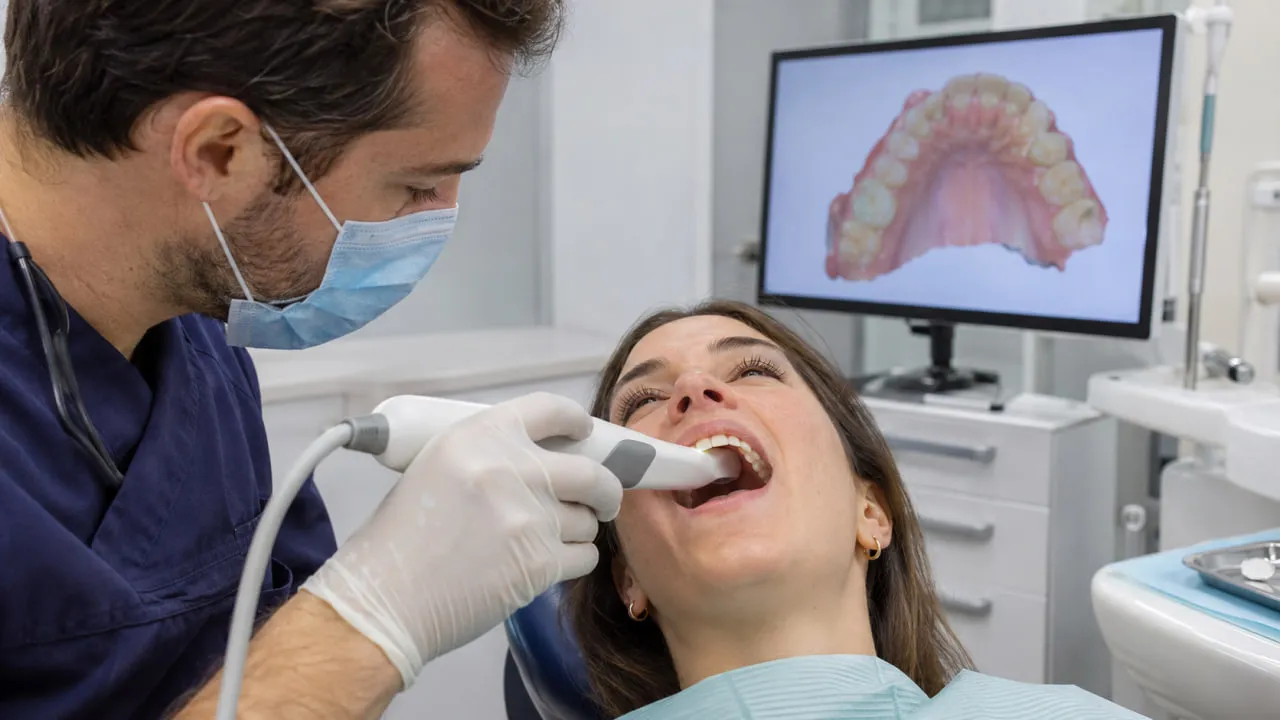
No single symptom or examination finding confirms bruxism on its own. The dentist builds a clinical picture from:
- Your symptoms and when they occur
- Tooth wear patterns
- The bite and how the teeth meet
- Fillings, crowns, and other restorations
- Your medical history and current medications
- Reports from a sleeping partner
Wear is often first spotted during routine dental check-ups and cleanings, where changes can be compared over time.
Self-reported grinding, a clicking jaw, or a trial with a store-bought guard does not establish a diagnosis. When symptoms suggest obstructive sleep apnea, such as loud snoring, witnessed breathing pauses, or marked daytime sleepiness, the appropriate step is a medical referral for sleep assessment.
Managing Bruxism
Management goes beyond a guard and may involve:
- Education about bruxism and why it fluctuates
- Daytime jaw awareness, such as noticing clenching at a desk or behind the wheel
- Reducing prolonged tooth contact while awake, since teeth normally rest slightly apart
- Stress management, including counseling where appropriate
- Sleep habits, such as a regular schedule and less caffeine and alcohol late in the day
- Medical, medication, or sleep factors, addressed with the appropriate professional
Medications, injections, and specialist therapies depend on individual evaluation. Bite adjustment and orthodontics are not proven cures.
How Oral Appliances Help
Most of the benefit is mechanical. A well-made bruxism appliance over one arch provides:
- A protective barrier, so the material wears instead of enamel
- Reduced direct tooth-to-tooth contact
- Distribution of biting forces across many teeth with a full-coverage design
- Possible protection for existing restorations, such as crowns and large fillings
Reducing damage is different from stopping episodes. Muscle activity may continue, decrease temporarily, or return while a splint is worn, and some people find the appliance uncomfortable at first.
Are There Different Types of Mouth Guards?
Several oral appliances look alike but are not interchangeable.
- Night guards protect teeth from grinding and clenching forces. A custom-fitted night guard is shaped to the teeth and adjusted so the bite meets it evenly.
- Sports guards are thicker and softer to cushion impact during contact sports. They are not made for sleep.
- Sleep-apnea oral appliances, often mandibular advancement devices, hold the lower jaw forward to help keep the airway open. They are used for selected patients after a medical diagnosis.
Family Dental Care Cayuga provides custom sports guards and night guards. An appliance for sleep apnea follows a separate pathway that begins with medical evaluation.
Types of Night Guard
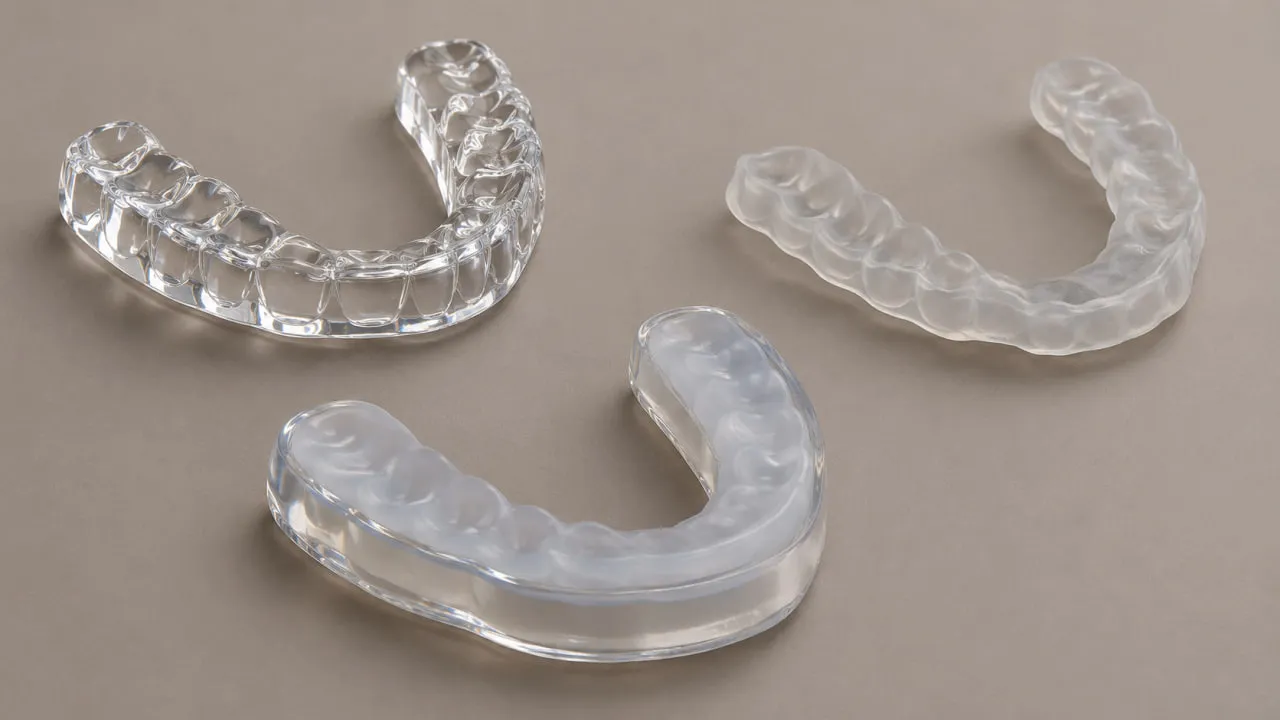
Material determines how a guard feels, while fabrication determines how closely it fits. A bruxism appliance may be a hard night guard, a soft night guard, or a layered design, and no single option is best for everyone.
| Type | Fit and feel | Potential advantage | Important limitation |
|---|---|---|---|
| Hard acrylic guard | Rigid, thin to moderate thickness | Durable surface that can be adjusted for even contact | May feel bulky at first |
| Soft thermoplastic guard | Flexible and rubbery | Often comfortable initially | May wear through faster with heavy grinding; some people chew on it |
| Dual-laminate guard | Soft inner layer, hard outer surface | Cushioned fit with a firmer biting surface | Can be thicker; layers may wear or separate |
| Custom-made guard | Shaped from a digital scan or dental impressions | Closer fit and controlled bite contact | Requires records and a fitting visit |
| Stock or boil-and-bite guard | Preformed or softened at home; looser | Inexpensive and immediately available | Limited fit, uneven contact, no professional bite check |
A custom guard can be made in any of the three materials. An over-the-counter mouth guard cannot account for crowns, an uneven bite, or jaw symptoms.
Determining Which Bruxism Appliance Should Be Used and When
Choosing a design is a clinical decision. A dentist typically weighs:
- Clinical findings, including wear, muscle tenderness, and jaw-joint symptoms
- Upper or lower arch
- Full or partial coverage
- Thickness
- Occlusal contacts, so opposing teeth meet the surface evenly
- Fit, which should be secure without pressure points
- Restorations such as crowns, bridges, and implants
- Growth and dental changes in younger patients
A poorly fitted bruxism appliance, or a partial-coverage design worn without supervision, may let teeth shift and change the bite. Design decisions belong with your dentist.
What Happens if I Need a Custom Mouth Guard?
When a custom appliance is appropriate, the process generally includes:
- Dental assessment
- Review of the bite and teeth
- Digital scan or other required records
- Appliance fabrication
- Fitting for retention, comfort, and even contact
- Follow-up adjustment where needed
At Family Dental Care Cayuga, custom night guards for grinding are made from iTero digital scans instead of traditional impression molds. The sequence and timeline vary with each patient and appliance.
A custom-fitted night guard may still need small refinements after the first nights. A bruxism appliance built around your own teeth and bite is the main difference from a store-bought option.
What Are the Advantages of Wearing a Mouth Guard?
For a properly assessed patient, a bruxism night guard has modest, reasonable goals:
- Less direct tooth-to-tooth wear, the most predictable benefit
- Protection of restorations from chipping and wear
- Possible improvement in muscle discomfort for some patients
Other effects are uncertain. Evidence does not show that a guard reliably reduces grinding frequency, resolves temporomandibular disorder (TMD), improves sleep, prevents headaches, or stops snoring.
Are There Side Effects of Wearing a Mouth Guard?
Most side effects are mild and ease with time:
- Temporary saliva changes
- Initial speech changes
- A bulky feeling
- Soreness of teeth or gums
- Uneven contact
- Poor fit, such as rocking or tightness
- An altered bite after removal
Persistent pain, a bite change that does not settle, worsening symptoms, or a damaged guard should be reviewed by a dentist. Trimming, heating, or reshaping an appliance at home is not advisable.
Contraindications
Suspected or diagnosed obstructive sleep apnea needs separate evaluation before any grinding appliance is chosen.
An ordinary night guard or occlusal splint protects teeth and is not the same as a mandibular advancement device, which holds the lower jaw forward. Small studies suggest that in some people with sleep apnea, a conventional upper splint may be associated with worse breathing during sleep, so airway symptoms change the order of decisions about a bruxism appliance.
Hypothetical example: A partner reports nighttime grinding along with loud snoring and what look like breathing pauses lasting several seconds. Witnessed pauses point toward a medical sleep assessment first, and any dental appliance decision would follow it. This scenario is illustrative, not a patient story.
Other medical history, including seizure disorders, medications, jaw-joint conditions, and planned dental treatment, is also reviewed. StatPearls provides clinical guidance on bruxism management with more medical detail.
How Often Should You Wear a Mouth Guard?
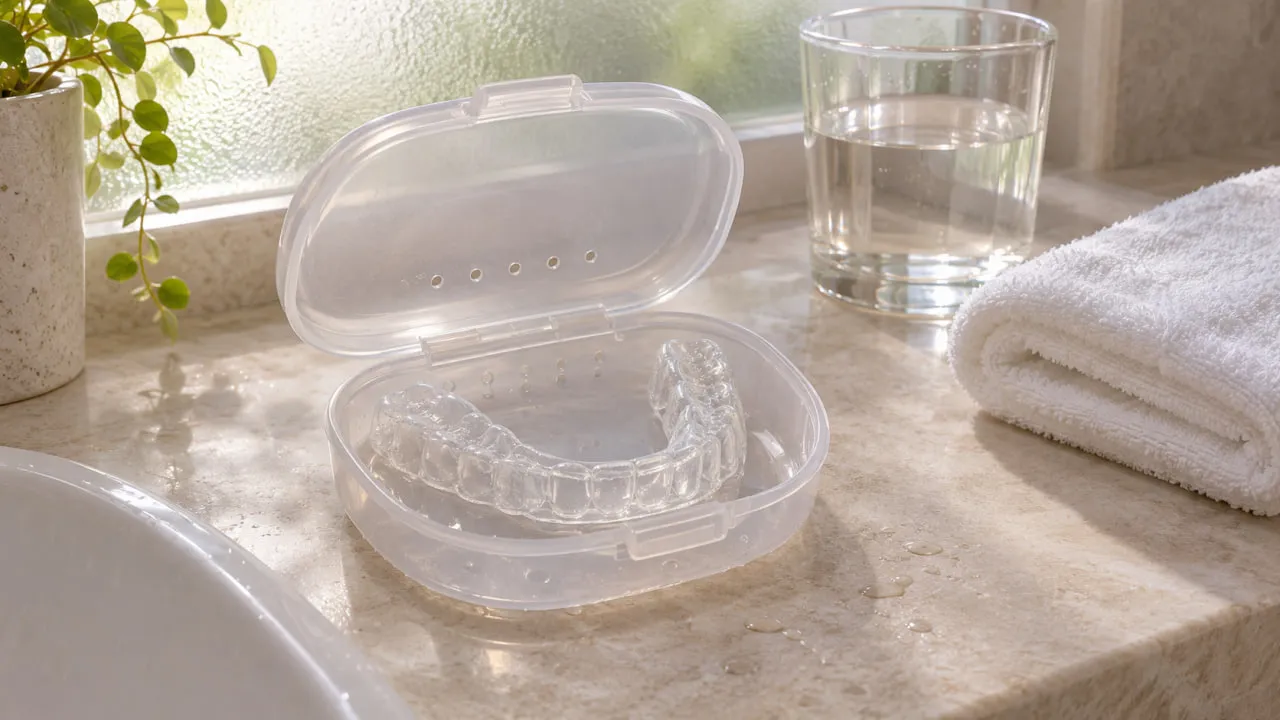
For sleep bruxism, a night guard is typically worn during sleep. Awake clenching is different. A dentist may direct limited daytime wear in some cases, but round-the-clock use is not a general recommendation.
Wear instructions depend on the individual and the appliance. Follow the directions given at your fitting, and never substitute a sports guard for an appliance designed for sleep.
What Happens When You Start Using One?
An adjustment period is normal. Speech may sound slightly different, and saliva may increase or, less often, the mouth may feel dry.
The guard should feel secure and reasonably comfortable, with the opposing teeth meeting it evenly. Adaptation time varies, and a guard that feels painful rather than unfamiliar should be checked.
How Do I Care for a Mouth Guard?
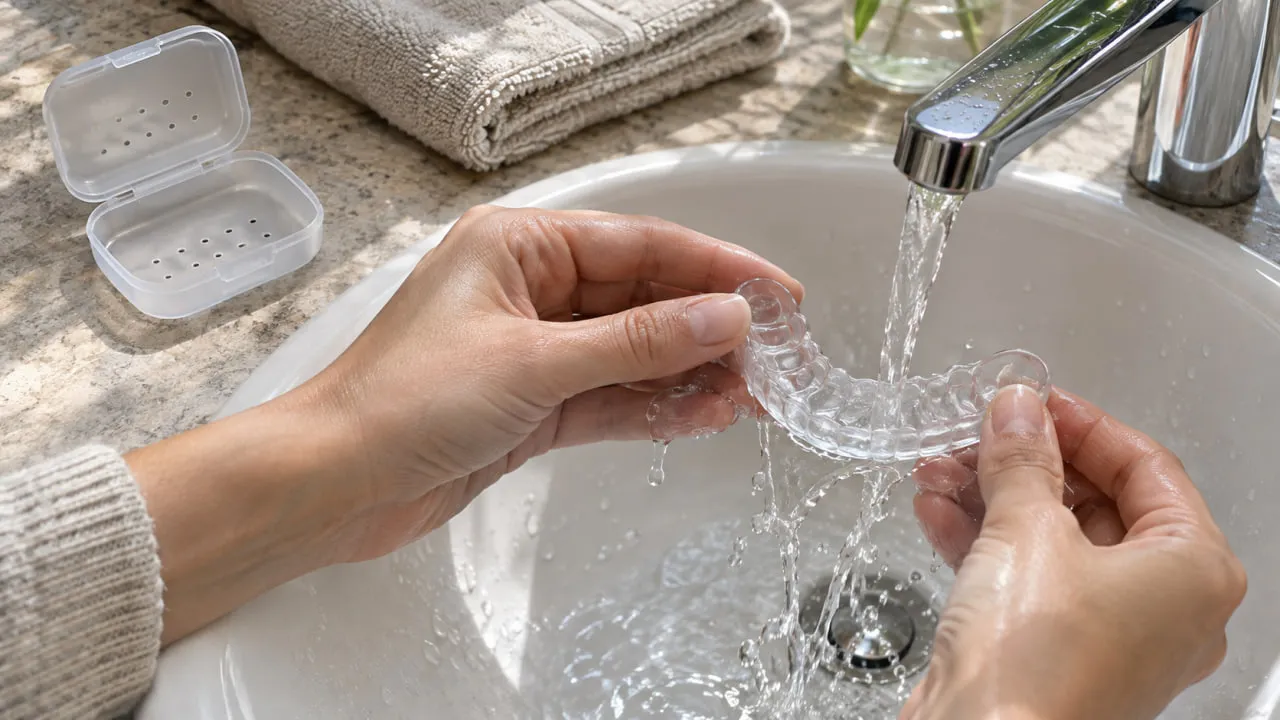
Consistent night guard cleaning keeps the appliance hygienic:
- Brush and floss before inserting it
- Remove it gently from both sides
- Rinse it after removal
- Clean it according to your appliance's instructions
- Let it air-dry
- Store it in a ventilated case
- Keep it away from pets and heat
Materials differ. Hot water can distort some plastics, abrasive toothpaste may scratch surfaces, and bleach, peroxide, or chemical soaks are not suitable for every guard. Ask which cleaners suit yours.
How Long Do Mouth Guards Last?
There is no fixed lifespan. Durability depends on the material, grinding severity, fit, daily wear, habits such as chewing on the guard, changes in the teeth, and new restorations.
Bring it to routine appointments for a check, and request a review sooner if it becomes loose, tight, cracked, worn, or uncomfortable.
Cost of Night Guard
Night guard cost is not a single figure. It may depend on custom fabrication, material, design complexity, records such as digital scans, fitting, adjustments, and laboratory requirements.
Night guard insurance coverage varies by plan, and only your insurer can confirm eligibility, frequency limits, and reimbursement. Family Dental Care Cayuga accepts private and employer dental plans, can submit eligible claims electronically where applicable, and may be able to bill directly when an individual plan permits it.
The Canadian Dental Care Plan (CDCP) needs separate attention. The clinic accepts CDCP generally, but that does not mean every service is covered. The current CDCP Dental Benefits Guide, effective April 1, 2026, lists periodontal appliances, including night guards for bruxism, and mouth guards among its exclusions.
When Should I Call My Healthcare Provider?
Contact your dentist about progressive tooth wear, a fracture, new or persistent jaw pain, an altered bite, or an uncomfortable or damaged guard.
Speak with your physician about:
- Witnessed breathing pauses during sleep
- Loud snoring combined with airway concerns, such as gasping or choking
- Excessive daytime sleepiness
These call for assessment and appropriate referral, not a device chosen sight unseen.
Ask About a Bruxism Appliance in Cayuga
Grinding and clenching are common, and not every case needs a device. Family Dental Care Cayuga, at 5 Talbot St W, Unit 1, sees adults from Cayuga and across Haldimand County who want a clear opinion on whether a bruxism appliance is the right next step or whether another approach makes more sense.
Frequently Asked Questions
Is It Good to Sleep With a Night Guard?
A properly selected bruxism night guard may protect teeth during sleep. Suitability depends on assessment, fit, symptoms, and possible airway concerns, so it is not automatically appropriate for everyone.
Are Night Guards for Upper Teeth or Lower Teeth?
Either arch may be used. The choice depends on fit, bite, restorations, comfort, design, and clinical findings. Neither arch is right for every patient.
Can I Wear a Mouth Guard if I Have Braces or Dental Implants?
An appliance may be possible in selected cases. Braces, implants, crowns, missing teeth, growth, and planned dental work can all affect the design, so these situations need individual review rather than an over-the-counter guard.