Dental Crowns & Bridges in
When a tooth has lost substantial structure or already carries a large filling, another filling may not provide the coverage the remaining tooth needs. A crown covers more of the tooth and may provide broader support under chewing forces. For a missing tooth, a fixed bridge may replace the tooth using suitable neighbouring teeth for support.
Family Dental Care Cayuga provides dental crowns and bridges in Cayuga for damaged, heavily restored, and missing teeth. The appropriate treatment depends on the individual tooth, the surrounding teeth, the bite, and what the examination shows. Request a consultation to discuss the options, or book online.
What to Expect During Crown or Bridge Treatment
Crowns and conventional fixed bridges follow a similar broad process: assessment, tooth preparation, records, and final placement. A temporary restoration is placed after the tooth is prepared and stays in place until the lab-fabricated crown or bridge is inserted. The exact sequence and number of appointments depend on the tooth, the restoration, and the treatment plan.
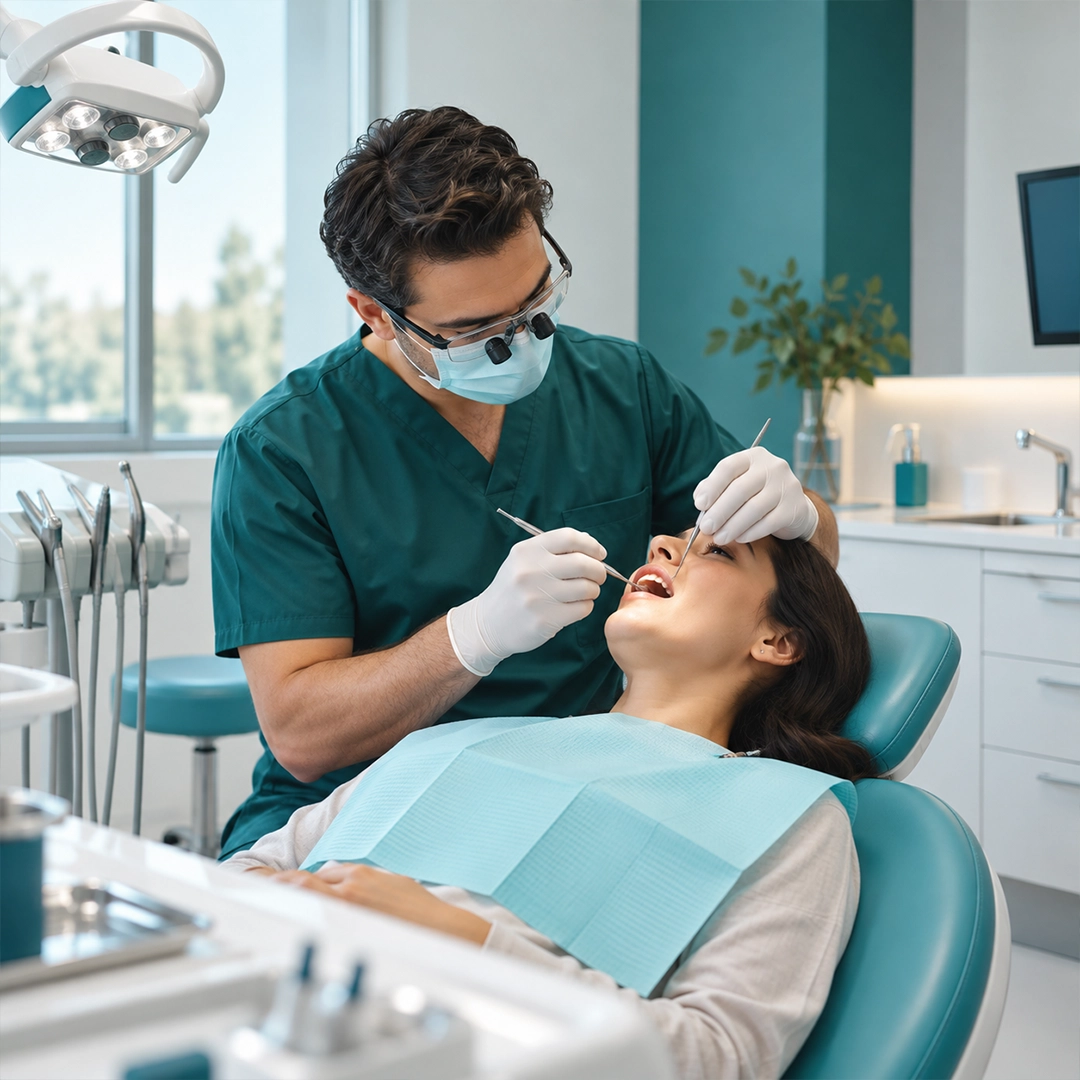
- Assessment and Dental Imaging The dentist examines the tooth, or the space where a tooth is missing, along with the neighbouring teeth and bite. Dental X-rays may be used when appropriate. For a crown, the amount of healthy tooth structure that remains helps guide the plan before preparation begins.
- Preparing the Tooth or Supporting Teeth Local anesthetic is used before tooth preparation. For a crown, the affected tooth is shaped to make room for the restoration. With a conventional bridge, the supporting teeth are prepared to receive the crowns that hold the replacement tooth in place. If anxiety is a concern, mention it when booking so the team can discuss appropriate options.
- Digital Scanning and Temporary Restoration For crown treatment, Family Dental Care Cayuga uses an iTero handheld scanner to capture a digital record of the prepared tooth, nearby teeth, and bite. In applicable crown workflows, digital scanning can reduce or replace the need for a traditional impression tray. Some patients find impression trays or impression material difficult to tolerate. For someone with a sensitive gag reflex, the digital scanning step may be easier to manage when it is appropriate for the case. For bridges, appropriate records or impressions are taken according to the treatment plan. A temporary crown or bridge is placed once the tooth has been prepared and stays in place until the lab-fabricated restoration is inserted.
- Final Placement and Bite Check Before the final crown or bridge is secured, the dentist checks its fit, contact with nearby teeth, and how it meets the opposing teeth when you bite. Adjustments may be made before the restoration is placed.
Dental Crowns for Damaged or Heavily Restored Teeth
A dental crown is a custom-made covering that fits over the prepared portion of a tooth. Unlike a filling, which restores a portion of the tooth from within, a crown covers more of the remaining structure. When a tooth has already lost a substantial amount of healthy structure, another filling may not provide the support or coverage the tooth needs.
When a Crown May Be Recommended
- A cracked or broken tooth, where a filling may not provide enough support for the remaining structure.
- Extensive decay that leaves limited healthy tooth structure after the damaged area is removed.
- A large existing filling that has become worn or damaged, especially when little natural tooth remains around it.
- Selected teeth after root canal treatment, particularly back teeth that have lost substantial structure.
None of these situations automatically means a crown is required. For a heavily restored tooth, the practical question may be whether another filling can provide reasonable support or whether a crown offers broader coverage for what remains. The dentist considers the amount of healthy tooth structure, the size and condition of existing restorations, the tooth’s position, and the forces it handles when you bite and chew.
Some teeth treated with root canal therapy lead to the same discussion. A back tooth with substantial structure already lost may need more coverage afterward, while another tooth may be restored differently.
Crown Materials, Function and Appearance. Crown materials may include zirconia or porcelain-based ceramic, depending on the tooth, bite forces, and clinical requirements. For back teeth, function and how the restoration works with the bite are often central to the decision.
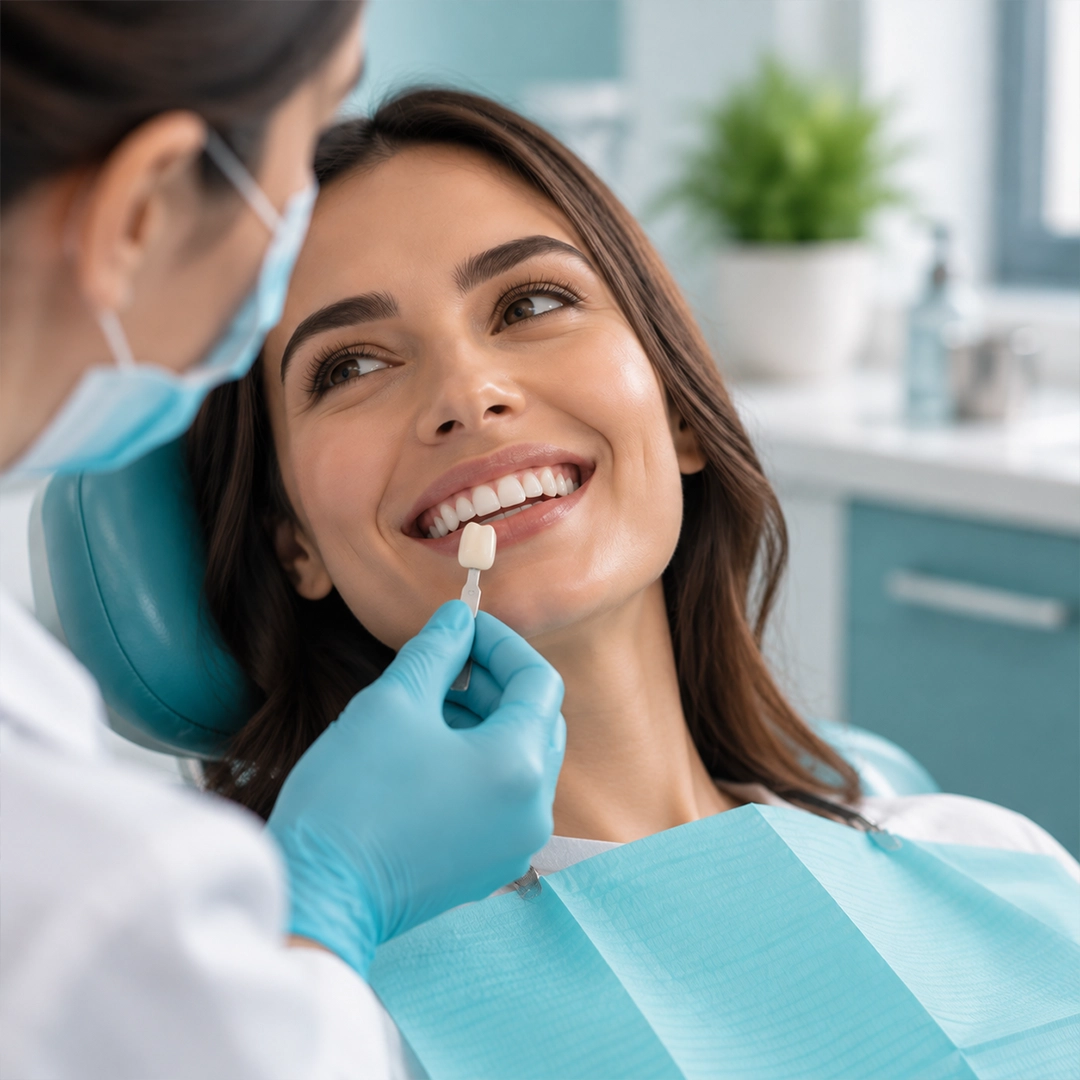
Appearance can still be considered. The dentist can discuss color and shape alongside the structural needs of the tooth so the final recommendation reflects both function and the clinical situation.
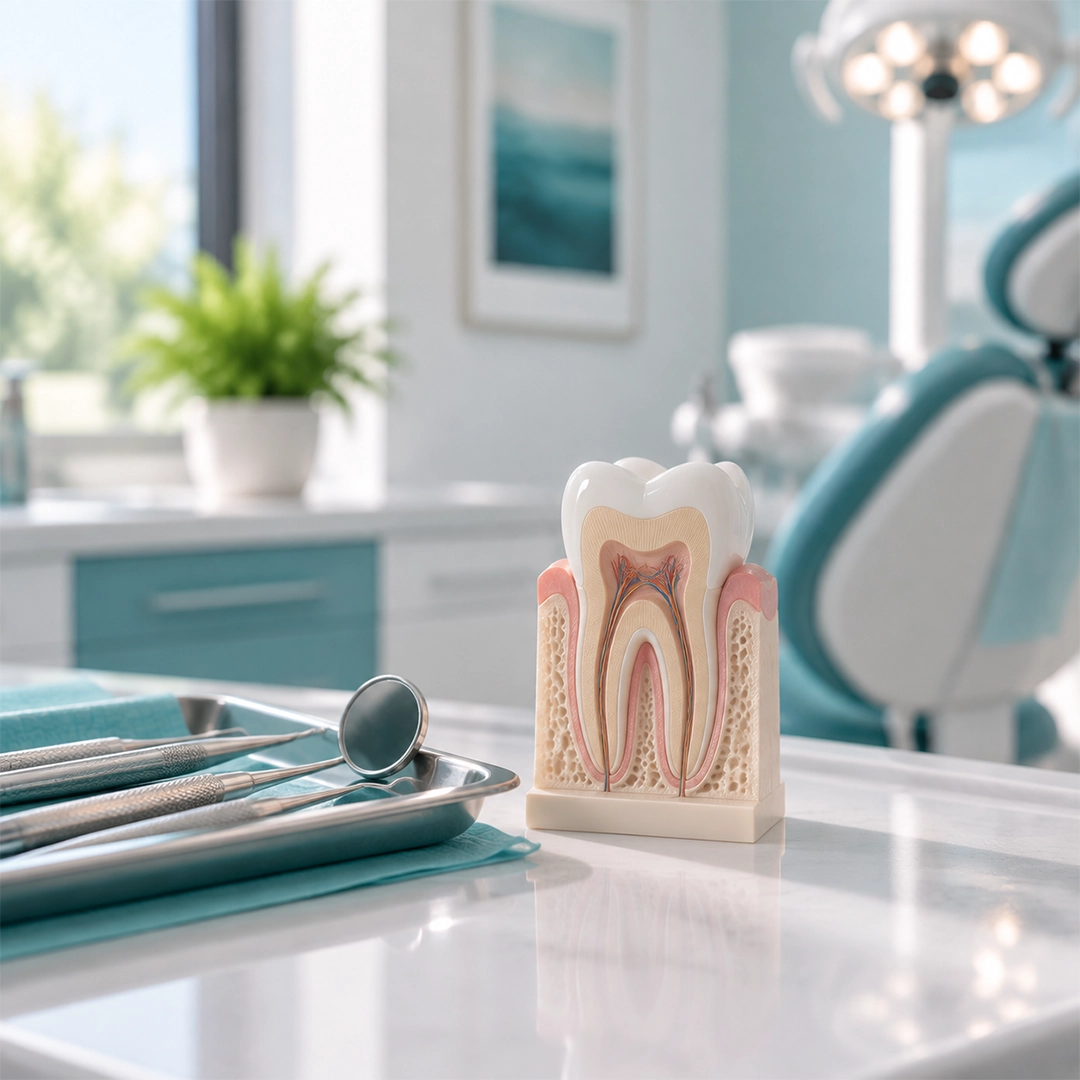
What to Expect During Crown or Bridge Treatment
Crowns and conventional fixed bridges follow a similar broad process: assessment, tooth preparation, records, and final placement. A temporary restoration is placed after the tooth is prepared and stays in place until the lab-fabricated crown or bridge is inserted. The exact sequence and number of appointments depend on the tooth, the restoration, and the treatment plan.
- Assessment and Dental Imaging The dentist examines the tooth, or the space where a tooth is missing, along with the neighbouring teeth and bite. Dental X-rays may be used when appropriate. For a crown, the amount of healthy tooth structure that remains helps guide the plan before preparation begins.
- Preparing the Tooth or Supporting Teeth Local anesthetic is used before tooth preparation. For a crown, the affected tooth is shaped to make room for the restoration. With a conventional bridge, the supporting teeth are prepared to receive the crowns that hold the replacement tooth in place. If anxiety is a concern, mention it when booking so the team can discuss appropriate options.
- Digital Scanning and Temporary Restoration For crown treatment, Family Dental Care Cayuga uses an iTero handheld scanner to capture a digital record of the prepared tooth, nearby teeth, and bite. In applicable crown workflows, digital scanning can reduce or replace the need for a traditional impression tray. Some patients find impression trays or impression material difficult to tolerate. For someone with a sensitive gag reflex, the digital scanning step may be easier to manage when it is appropriate for the case. For bridges, appropriate records or impressions are taken according to the treatment plan. A temporary crown or bridge is placed once the tooth has been prepared and stays in place until the lab-fabricated restoration is inserted.
- Final Placement and Bite Check Before the final crown or bridge is secured, the dentist checks its fit, contact with nearby teeth, and how it meets the opposing teeth when you bite. Adjustments may be made before the restoration is placed.
Fixed Dental Bridges for Replacing a Missing Tooth
A fixed bridge replaces a missing tooth by using the teeth on either side of the space for support. Those neighbouring teeth are prepared for crowns, with a replacement tooth connected between them to form one fixed restoration. This approach depends on the supporting teeth being suitable for the planned bridge.
- How a Fixed Dental Bridge Works The teeth beside the gap are shaped to receive crowns, and the replacement tooth is joined between them. Once placed, the bridge stays in the mouth and is not removed by the patient for routine cleaning. Brushing remains important, and cleaning beneath the replacement tooth takes some additional attention.
- When Replacing a Missing Tooth May Help A missing tooth can affect chewing and the way nearby teeth function. In some cases, neighbouring teeth may shift toward the space, the bite can change, or food can collect around the gap. Not every missing tooth needs the same treatment. An examination helps determine whether replacement is appropriate and which options are reasonable.
- Bridge A conventional bridge uses neighbouring teeth for support. Those teeth need to be suitable for crowns and are prepared as part of treatment. It does not require implant surgery.
- Dental Implant A dental implant is placed surgically in the jaw and supports a replacement tooth without using neighbouring teeth as anchors. Suitability depends on factors such as available bone, oral health, medical considerations, and the treatment plan. Neither approach is automatically right for every patient. The condition of the surrounding teeth, location of the space, bite, available bone, and treatment priorities all matter. Patients from Caledonia can discuss both approaches through the Cayuga office, where a visiting specialist provides selected implant procedures.
Restorative Care with Dr. Benjamin Chiu
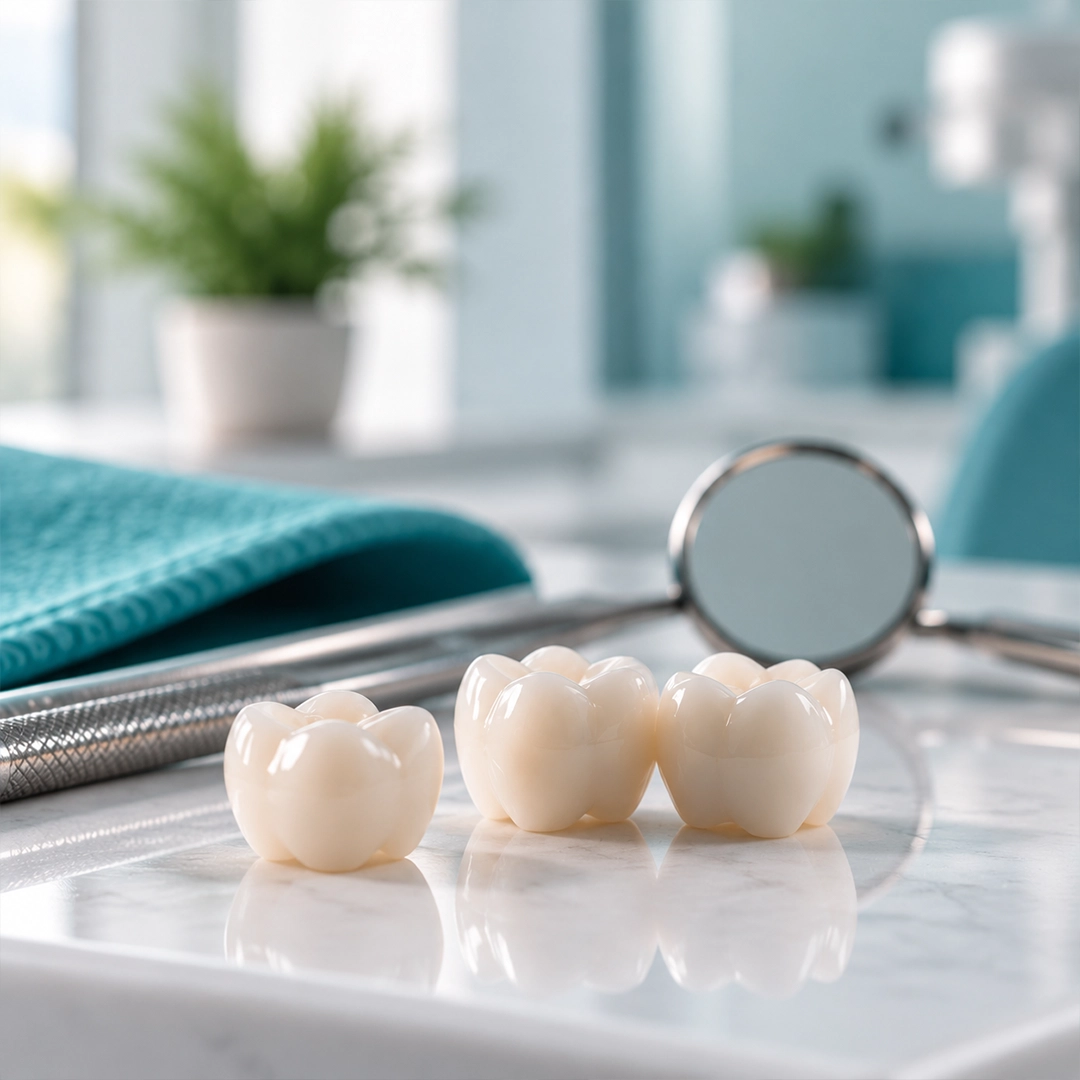
Dr. Benjamin Chiu is a general dentist at Family Dental Care Cayuga. He earned his Doctor of Dental Surgery degree with Honours from the University of Toronto. Crown treatment is one of the restorative options he discusses when a tooth has lost substantial structure or already carries a large restoration.
A large filling does not automatically mean a tooth needs a crown. Dr. Chiu considers how much healthy tooth structure remains, the condition of the existing restoration, how the tooth functions in the bite, and what the examination shows. For some heavily restored teeth, another filling may still be reasonable. In other cases, a crown may provide broader coverage for the remaining structure.
Before treatment moves ahead, he explains what he sees, which options are clinically reasonable, and why one approach may be recommended over another. The goal is for the patient to understand the practical trade-offs and have an opportunity to ask questions before deciding how to proceed.
Clinical note. That conversation may also include maintenance, treatment sequence, and how each option fits the condition of the tooth over time.

Frequently Asked Questions About Crowns & Bridges in Cayuga
Still comparing a crown, a bridge, or an implant? The clinic team can answer coverage and treatment questions before you decide.
Request a Consultation in Cayuga
Broken, cracked, or suddenly painful tooth? Same-day emergency appointments are available during office hours. If the problem begins after hours, a next-day emergency appointment is available. Call (905) 772-3535.