
Wisdom Teeth Removal: 7 Facts to Know Before Treatment

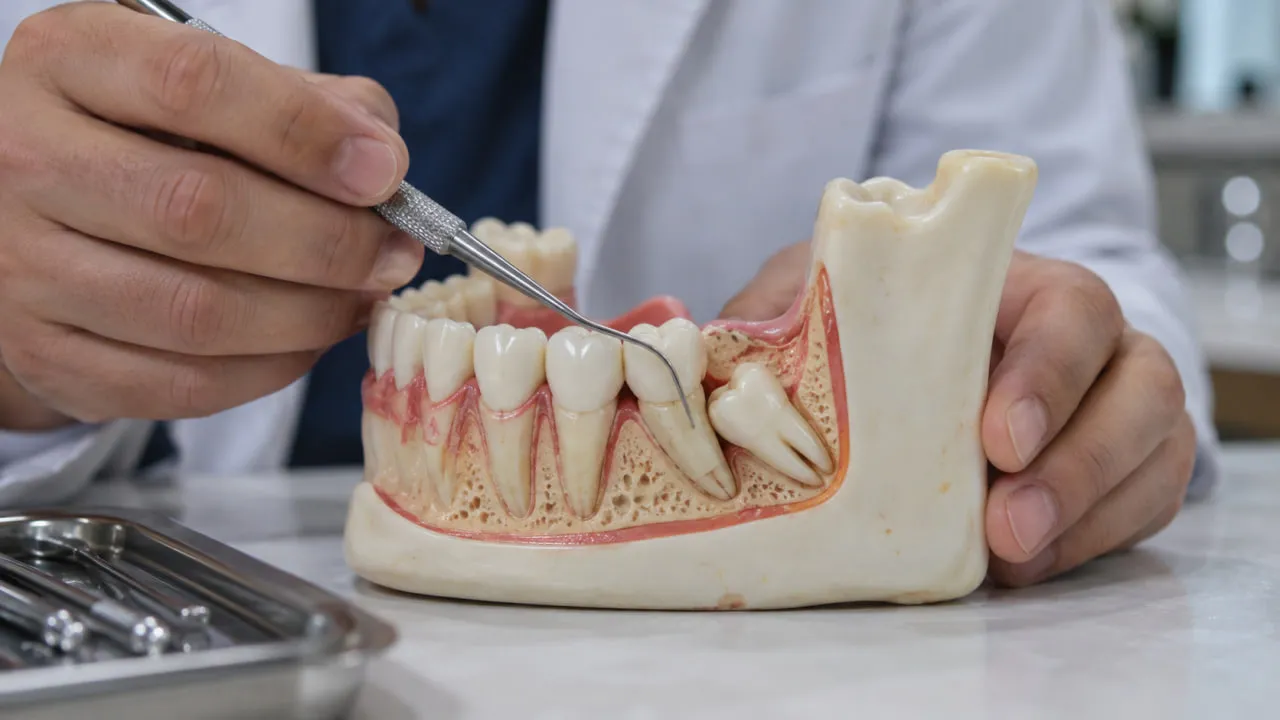
A practical guide to wisdom teeth removal, covering when extraction is needed, the procedure, recovery, risks, and costs.
Wisdom teeth removal, also called wisdom tooth extraction, is a common dental procedure, but having wisdom teeth does not automatically mean they need to come out. Some wisdom teeth erupt fully, stay healthy, and can be kept clean with regular brushing and flossing.
Others cause pain, repeated gum inflammation, decay, or infection, or begin to affect the neighboring tooth or surrounding bone, and that is usually when wisdom teeth removal is discussed. Symptoms alone rarely settle the question, because two teeth that feel similar can look very different on an X-ray. A dental examination with appropriate imaging shows whether monitoring or extraction makes more sense for each tooth.
What Are Wisdom Teeth?
Wisdom teeth are the third molars, the last teeth at the back of each side of the upper and lower jaw. They usually come in during the late teens or early adulthood, although the timing varies.
Not everyone has a full set: some people develop four, some develop fewer, and some never develop any.
A wisdom tooth can erupt fully, break only partly through the gum, stay beneath the gum or bone, or grow in at an angle. None of these patterns, on its own, means the tooth must be extracted.
Why Might a Dentist Recommend Removing Wisdom Teeth?
Wisdom teeth removal may be recommended when a tooth is already causing trouble or when examination and imaging show changes that raise concern. The main clinical reasons include:
- Impaction, meaning the tooth is blocked from coming in normally, when linked to symptoms or disease
- Recurring pain
- Repeated gum inflammation around a partly erupted tooth, known as pericoronitis
- Infection
- Decay in the wisdom tooth
- Difficulty cleaning the area
- Damage or a clear risk of damage to the neighboring second molar
- Changes in the surrounding bone or tissue
- A cyst, or fluid-filled sac, around the tooth (less common)
- Lack of usable space
A possible future problem is not a certain one. A clinical examination and appropriate X-rays help the dentist assess these findings, while symptoms point toward an evaluation rather than a home diagnosis.
For patients considering wisdom teeth extractions in Cayuga, the process starts with a general dentist's examination and a review of appropriate X-rays, followed by a discussion of options, including referral when needed.
Do All Wisdom Teeth Have to Be Removed?

No. A wisdom tooth that is healthy, functional, properly positioned, and cleanable may be monitored instead.
The balance can shift if the tooth starts causing symptoms, cannot be kept clean, affects nearby structures, or shows concerning changes on examination or imaging. Wisdom teeth removal is one possible outcome of that review, not the starting assumption.
The table shows how a dentist might frame common situations, not how to diagnose yourself.
Under Ontario dental guidance, the decision rests on each person's situation, assessed through a clinical examination and X-rays, such as a panoramic image showing all the teeth and both jaws.
As an example, picture two lower wisdom teeth. One has erupted fully, is easy to brush and floss, and shows no decay or gum disease, so monitoring may be reasonable. The other has broken only partly through the gum, traps food, and has caused repeated gum inflammation, which would usually prompt a discussion about removal. This is an illustration, not a diagnosis.
What Are Impacted Wisdom Teeth?
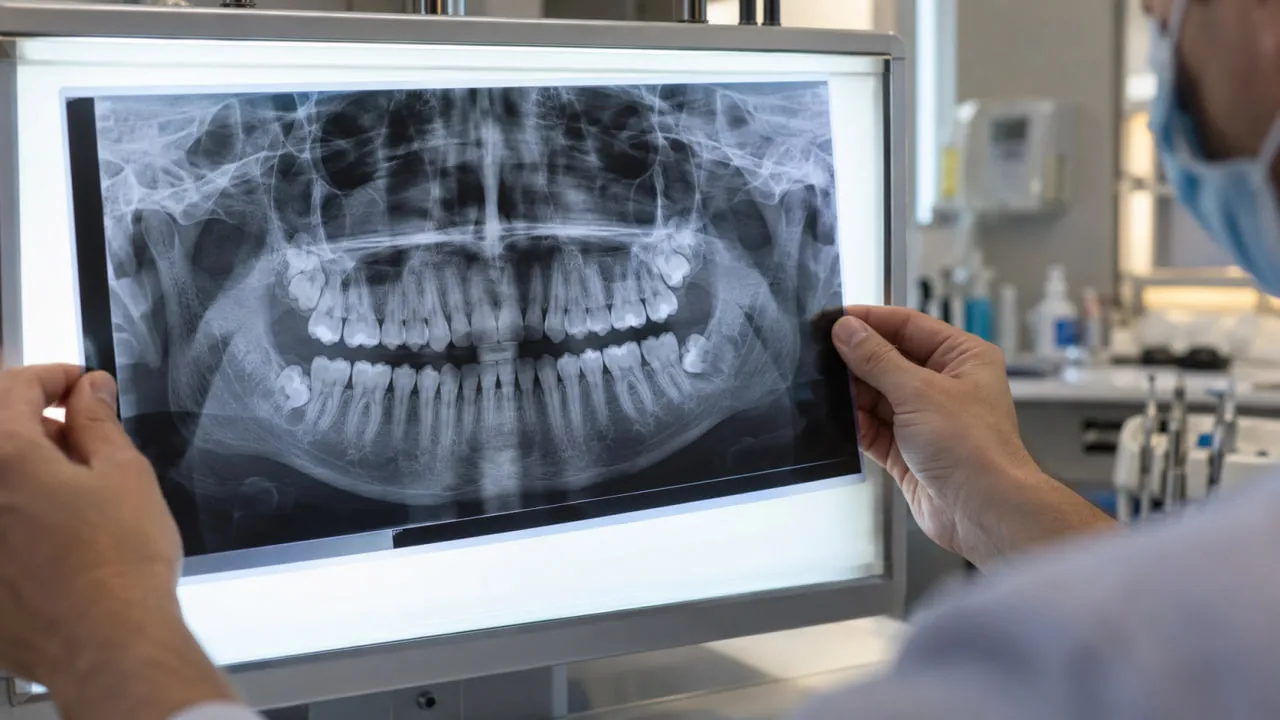
An impacted wisdom tooth cannot fully emerge into a normal position, usually because bone, gum tissue, or the tooth in front of it is in the way.
- Partial impaction means part of the crown has broken through the gum while the rest stays covered.
- Full impaction means the tooth remains completely beneath the gum, the bone, or both.
Impacted teeth can sit upright, tilt toward the second molar, lean backward, or lie almost sideways.
Partial eruption is a common source of day-to-day trouble. A flap of gum can cover part of the tooth, trapping food and bacteria where a toothbrush cannot reach. Pericoronitis often starts this way, with tender, swollen gum and sometimes an unpleasant taste.
A tilted tooth can also create a hard-to-clean pocket against the second molar, which can lead to decay or gum problems on that tooth. Less commonly, a cyst develops around an impacted tooth.
Impaction describes a position, not a treatment decision, and it does not automatically mean extraction.
Which Symptoms Mean a Wisdom Tooth Should Be Assessed?
Arrange a dental assessment if you notice:
- Pain at the back of the mouth
- Swollen or tender gum behind the last molar
- Recurring gum inflammation
- An unpleasant taste or odor
- Difficulty chewing
- Jaw stiffness
- Difficulty opening your mouth
- Swelling of the face or jaw
- Symptoms that recur in the same area
These signs are a reason for an examination, not proof that a wisdom tooth is the cause or that extraction is needed. Pain at the back of the mouth can also come from decay in a second molar, gum disease, jaw joint strain, clenching, or, for upper teeth, sinus congestion.
Facial swelling that is spreading or comes with a fever needs same-day dental or medical assessment, and any difficulty breathing or serious difficulty swallowing needs urgent medical care through 911.
7 Essential Facts About Wisdom Teeth Removal
1. Not Every Wisdom Tooth Needs to Be Removed
Keeping a wisdom tooth is a legitimate choice when it is healthy, cleanable, and not harming its neighbors. Monitoring is not the same as ignoring the tooth. It means regular checkups and, when your dentist recommends it, repeat imaging, so changes around the tooth are noticed early.
2. Impaction Does Not Lead to the Same Plan for Everyone
Two impacted teeth can call for very different approaches. Depth, angle, symptoms, the condition of the second molar, and your general health all shape the plan. One tooth may simply be watched, while another with roots close to a nerve may lead to further imaging or a referral to an oral surgeon.
3. Examination and X-Rays Guide the Decision
The clinical exam checks the gum and whether the area can be cleaned. X-rays for wisdom teeth help show root shape, angle, and bone levels, and suggest how close the roots sit to the sinus or to the nerve that supplies feeling to the lower lip and chin. Many dentists begin checking wisdom tooth development in the mid to late teens.
4. Tooth Position and Root Development Affect Complexity
A tooth sitting deep in bone or angled sideways usually makes a third molar extraction more involved than removing a fully erupted tooth. Curved roots, or roots close to a nerve or sinus, add complexity. Age can play a part, since roots keep developing into early adulthood, but clinical and imaging findings carry more weight.
5. Anesthesia and Sedation Depend on the Individual Procedure
Local anesthetic numbs the treatment area during an extraction. Whether sedation is also offered depends on the procedure, your health history, your medications, and the treatment setting. For some complex cases, an oral surgeon may discuss deeper sedation or general anesthesia. The approach is agreed on at the consultation.
6. Protecting the Extraction Site Matters During Early Healing
After a tooth comes out, a blood clot fills the socket and protects the bone underneath. Losing that clot too soon can leave the bone exposed and lead to a painful complication called dry socket. Smoking and vaping can interfere with the clot, and your instructions will say how long to avoid them.
7. Worsening Symptoms Need Professional Attention
Normal soreness tends to settle gradually. When pain or swelling builds again after it had started to ease, call the dental office rather than waiting it out. Infection and dry socket are diagnosed through a professional examination, not by comparing the extraction site with photos online.
How Should You Prepare for a Third Molar Extraction?
Preparation starts at the consultation, and the choice of anesthesia for wisdom teeth removal shapes most of the practical instructions you will receive.
Before treatment, your dental team will typically:
- Examine your teeth and gums and take or review appropriate X-rays
- Review your medical conditions
- Go over prescriptions, over-the-counter medications, vitamins, and supplements
- Discuss local anesthetic and whether a sedation option is suitable
Your side of the checklist:
- Bring a complete list of medications and supplements
- Ask exactly when you may eat or drink before the appointment
- Arrange transportation and an adult to stay with you if required
- Stock soft, easy meals at home
- Plan time away from work or school
Fasting, medication, driving, and transportation instructions depend on the planned anesthesia or sedation, your health history, and the procedure, so they must come from your treating team. Any medication change should be directed by the professional who manages it.
What Happens During the Extraction Procedure?
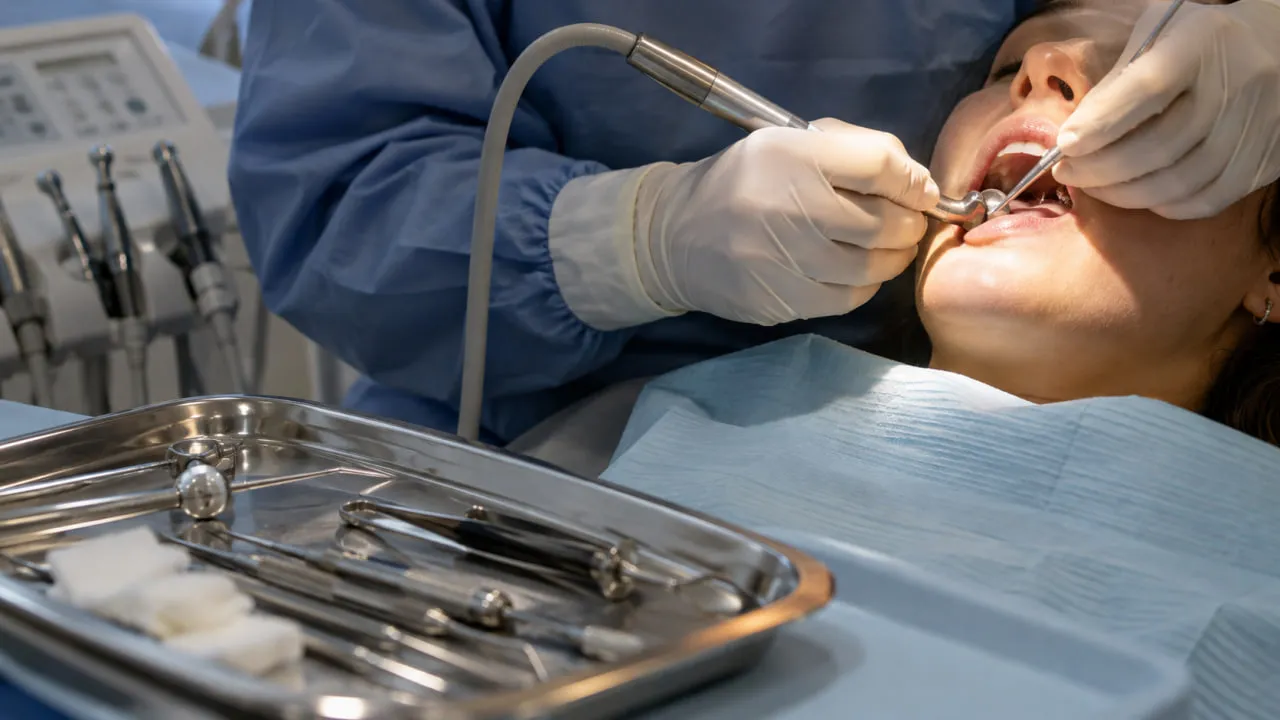
The exact steps of a wisdom teeth removal procedure depend on the tooth's position, root shape, nearby structures, and imaging findings. Treatment usually follows this sequence:
- Numbing the treatment area with local anesthetic
- Providing sedation when planned and appropriate
- Accessing the tooth, which may involve an incision in the gum
- Removing a small amount of bone or dividing the tooth into sections when necessary
- Removing the tooth
- Cleaning the site
- Placing stitches when needed
- Positioning gauze to help control bleeding and support clot formation
A fully erupted tooth can sometimes be removed with a more straightforward approach, often called a simple extraction, while an impacted tooth is more likely to need a surgical approach.
Some wisdom teeth extractions can be performed by a general dentist, while more complex cases may be treated by, or referred to, an oral surgeon or another qualified provider. Selected sedation options may be discussed at Family Dental Care Cayuga when clinically appropriate.
Even when the area is numb, you may still feel pressure, movement, or vibration. Appointment length varies with the number of teeth and their complexity.
What Should You Expect During Early Recovery?

Some tenderness, swelling, and jaw stiffness are normal parts of wisdom teeth removal recovery, and mild bleeding or oozing can continue for a while after you leave. Bruising on the cheek or jaw may also appear, particularly after a surgical extraction. These effects tend to fade gradually, and how quickly depends partly on how involved the extraction was.
Plan on extra rest and soft foods at first, and keep brushing the rest of your mouth while staying gentle around the socket. The blood clot after tooth extraction also needs protecting, so avoid suction, such as drinking through a straw, and forceful rinsing for as long as your own instructions specify. Where those instructions differ from general advice online, follow them.
Healing does not follow one calendar for everyone. Because symptoms change over several stages, the day-by-day recovery timeline describes how they commonly progress, without treating any date as a deadline. If symptoms start moving in the wrong direction, the warning signs below explain when to call.
What Risks and Warning Signs Should You Know?

Every surgical procedure carries some risk, so it is worth separating expected effects from wisdom teeth removal complications. Tenderness, swelling, jaw stiffness, mild bleeding, and bruising belong in the first group and generally ease as healing progresses.
Less common complications include:
- Dry socket
- Infection
- Prolonged bleeding
- Slow healing
- Jaw stiffness that persists
- Injury affecting a nearby tooth or existing dental work
- Nerve-related numbness or tingling in the lip, chin, or tongue, which often improves but can occasionally be long-lasting
- Sinus-related complications with upper teeth
Contact a dental professional if you notice:
- Pain that gets worse instead of easing
- Swelling that keeps increasing after the first few days, or begins to spread
- Fever
- Pus or other concerning drainage
- A bad taste that does not go away
- Bleeding that is still hard to control
- Numbness that persists or appears for the first time
- Symptoms your instructions did not describe as expected
Family Dental Care Cayuga provides emergency dental care for patients in Haldimand County. Same-day emergency appointments are available during office hours, and a next-day emergency appointment is available when a concern begins after hours. Dr. Benjamin Chiu also responds to wisdom tooth recovery concerns, both during and outside office hours.
Do not wait for a dental appointment if you have trouble breathing, serious difficulty swallowing, major facial swelling that could affect your airway, or bleeding that will not stop. These need urgent medical care: call 911 or go to the nearest hospital emergency department.
How Much Does Treatment Cost and Is It Covered?

There is no single price, because the wisdom teeth removal cost reflects the details of each case. An estimate can depend on:
- The number of teeth being removed
- The position of each tooth
- Whether the extraction is simple or surgical
- The level of impaction
- The imaging required
- Anesthesia or sedation
- Overall complexity
- Whether treatment is completed in one appointment or more
The practice accepts private and employer dental plans and the Canadian Dental Care Plan (CDCP). Eligible claims may be submitted electronically where applicable, and direct billing may be available when the individual plan allows it.
Plans may cover the extraction, surgical work, imaging, and sedation differently, and annual maximums, deductibles, co-payments, eligibility requirements, exclusions, and remaining patient balances vary. An estimate can be discussed once your dentist has examined the tooth and reviewed the X-rays.
Frequently Asked Questions About Removing Wisdom Teeth
Do Wisdom Teeth Grow Back?
No. An extracted wisdom tooth does not grow back. Confusion usually comes from having fewer than four wisdom teeth, or from a tooth that had not yet appeared coming through later.
When Can You Use a Straw After Wisdom Tooth Extraction?
No single number of days fits everyone. Suction can pull on the blood clot in the socket and disturb healing, so follow the timeframe in your post-operative instructions, and ask your dental office if anything is unclear.
When Can You Eat Chips After an Extraction?
Chips break into sharp, hard pieces that can scrape healing gum or become trapped in the socket. Wait until chewing feels comfortable and your treating professional's instructions allow crunchy foods again, then reintroduce them gradually.
Can Impacted Wisdom Teeth Cause Long-Term Oral Health Problems If Left Untreated?
Some can, while others stay symptom-free and may be monitored with periodic clinical review and imaging when appropriate. When problems develop, an impacted tooth may contribute to repeated inflammation, decay, gum problems, damage to a nearby tooth, or cyst-related changes. A dental exam and X-rays help determine which plan fits your situation.
Questions About Your Wisdom Teeth in Cayuga?
Patients from across Haldimand County, including Caledonia, Hagersville, and Dunnville, can arrange an assessment at 5 Talbot St W, Unit 1, Cayuga, ON N0A 1E0. The practice's general dentists can examine the area and review appropriate X-rays.
Selected wisdom tooth surgery and sedation options may be available when clinically appropriate, and a visiting specialist provides selected surgical procedures approximately once a month. Not every case is treated in-house, so some patients are referred elsewhere. Booking an assessment does not commit you to an extraction; it clarifies what the tooth needs.
Questions About Wisdom Teeth Removal?
If you have pain, swelling, repeated gum irritation, or questions about whether a wisdom tooth should be monitored or removed, call Family Dental Care Cayuga. An examination and appropriate imaging can help determine the next step without assuming that extraction is necessary.
Call (905) 772-3535 to Arrange a Dental Assessment