
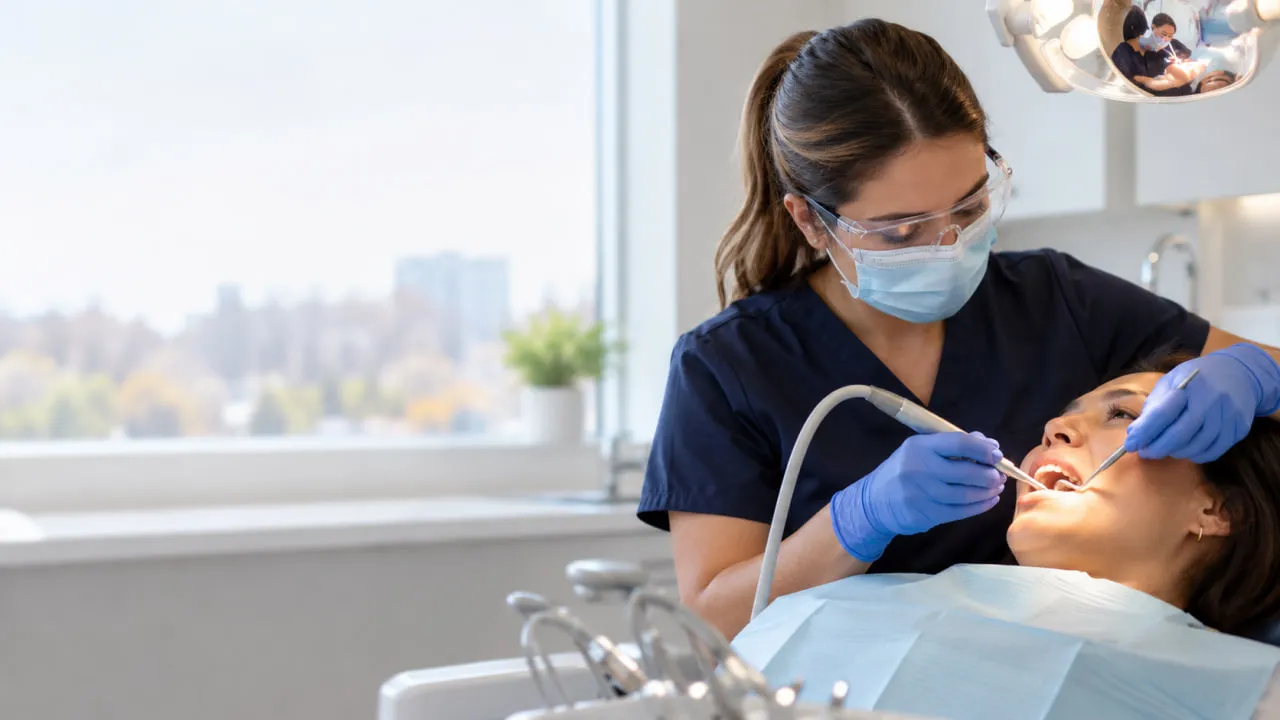
Teeth cleaning fees in Ontario often fall around CAD $150 to $300 for a routine cleaning appointment without insurance, based on current estimates published by Ontario dental offices. The total may be higher when the visit includes more scaling time, an examination, X-rays, polishing, fluoride, or periodontal treatment.
Treat that range as a broad online benchmark. It is not a Family Dental Care Cayuga quote, and it is not an official or mandatory Ontario Dental Association price. Your own dental cleaning cost in Ontario depends on what is clinically needed, so an individual estimate may fall inside, below, or above that range. The key is knowing which services are included in the number you are comparing.
How Much Are Teeth Cleaning Fees in Ontario?
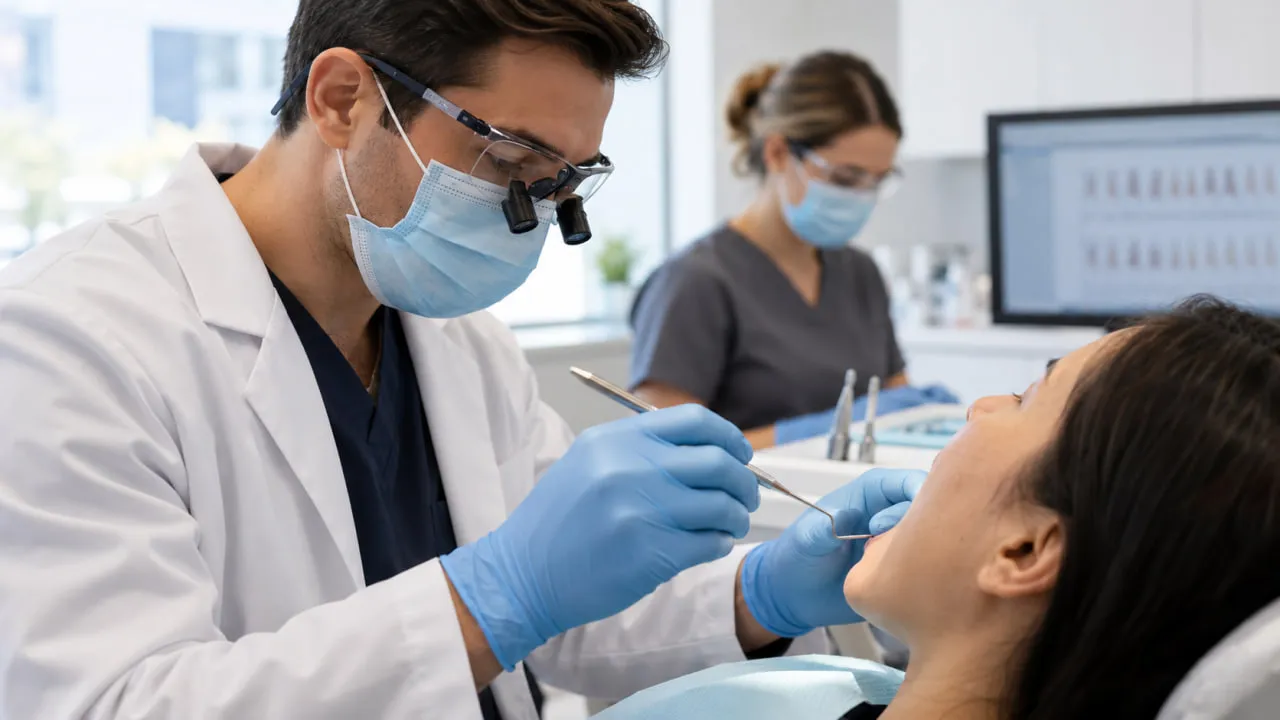
There is no single provincial price. For an adult paying directly, the CAD $150 to $300 benchmark is a reasonable budgeting starting point, but it reflects what Ontario clinics publish online, not a set rate.
Each dental office sets its own fees. Scaling is often charged by time, so a longer scaling appointment generally costs more. Quotes also do not always describe the same services: a cleaning-only price and a recall visit with an exam and X-rays are different combinations of care.
Online lists of teeth cleaning fees help with planning, but each reflects one clinic's assumptions about scaling time, included services, and the fee-guide year being used.
What Does a Dental Cleaning Fee Usually Include?
Scaling is the core of most hygiene charges. The other services below often happen at the same appointment, but each is usually recorded under its own procedure code:
- Scaling: Removing plaque and tartar from tooth surfaces, including just below the gumline. It is commonly billed by time.
- Polishing: Smoothing surfaces and lifting some stain when appropriate.
- Fluoride: A topical application recommended according to cavity risk.
- Examination: The dentist's assessment of teeth, gums, existing work, and soft tissues.
- X-rays: Images taken when your history, symptoms, or findings call for them.
A quoted cleaning fee does not automatically include an exam, X-rays, polishing, or fluoride, so ask which items the price covers. At Family Dental Care Cayuga, the services that may form part of dental check-ups and teeth cleanings in Cayuga depend on the patient’s history and current findings.
7 Essential Factors That Affect Teeth Cleaning Fees
Seven factors explain most of the gap between one visit's total and another's.
1. Time Spent Scaling the Teeth
Scaling is often recorded in time units rather than as a flat charge. A 30-minute session and a 60-minute session are billed differently, even though both appear as “a cleaning” on the calendar.
2. Amount of Plaque and Tartar Buildup
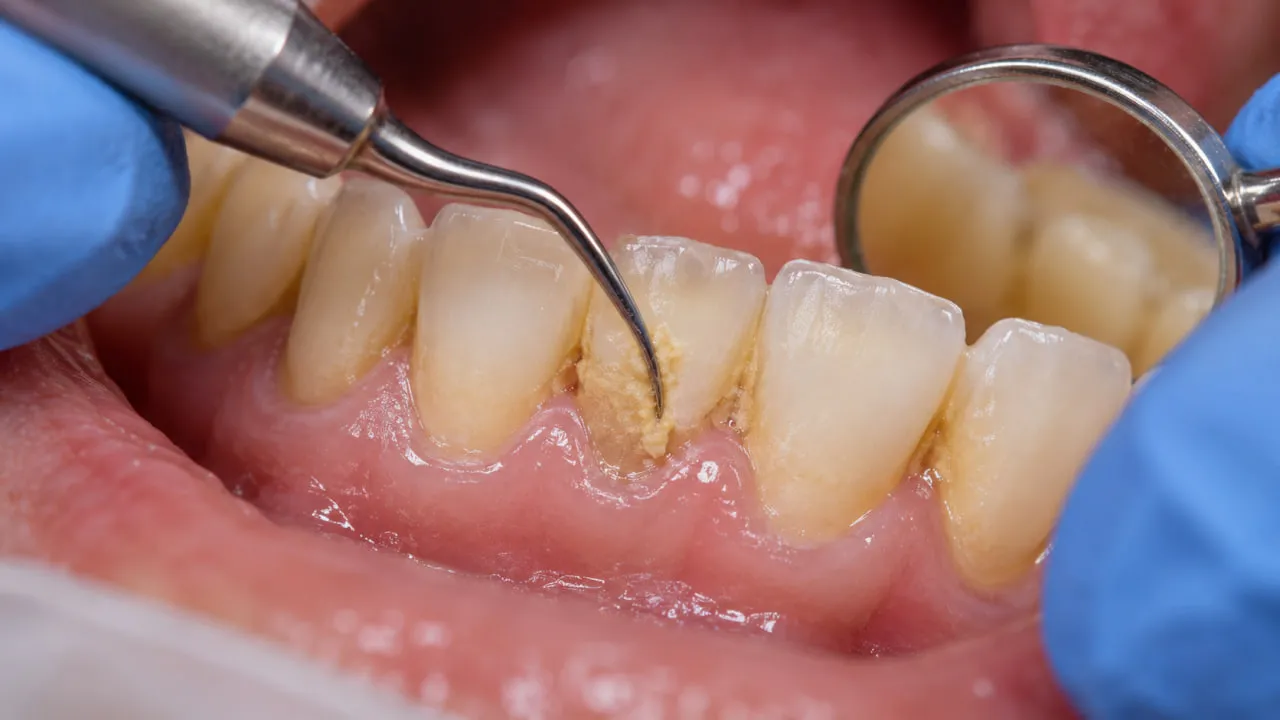
Heavier deposits take longer to remove, as can deposits behind the lower front teeth or around crowded areas. The amount of hard plaque and tartar buildup can therefore affect the number of scaling minutes required.
3. Current Gum and Periodontal Health
Bleeding, inflammation, deeper pockets between gums and teeth, a history of gum disease, or an existing maintenance schedule can all change the type and extent of care.
This is assessed in the chair through pocket measurements and a review of your history, and that assessment shapes the estimate.
4. Routine Cleaning or Deeper Periodontal Treatment
A routine dental cleaning is preventive care for gums that are generally healthy. Scaling and root planing, periodontal maintenance, and other clinically indicated gum treatment are separate services with different codes and time requirements.
5. Polishing or Fluoride Treatment
Polishing and fluoride may be appropriate at some visits but not others. Someone with little surface stain and a low cavity risk may not need both every time. When recommended, each may appear as a separate line, so ask about the polishing cost and fluoride treatment cost.
6. Dental Examination and X-Rays
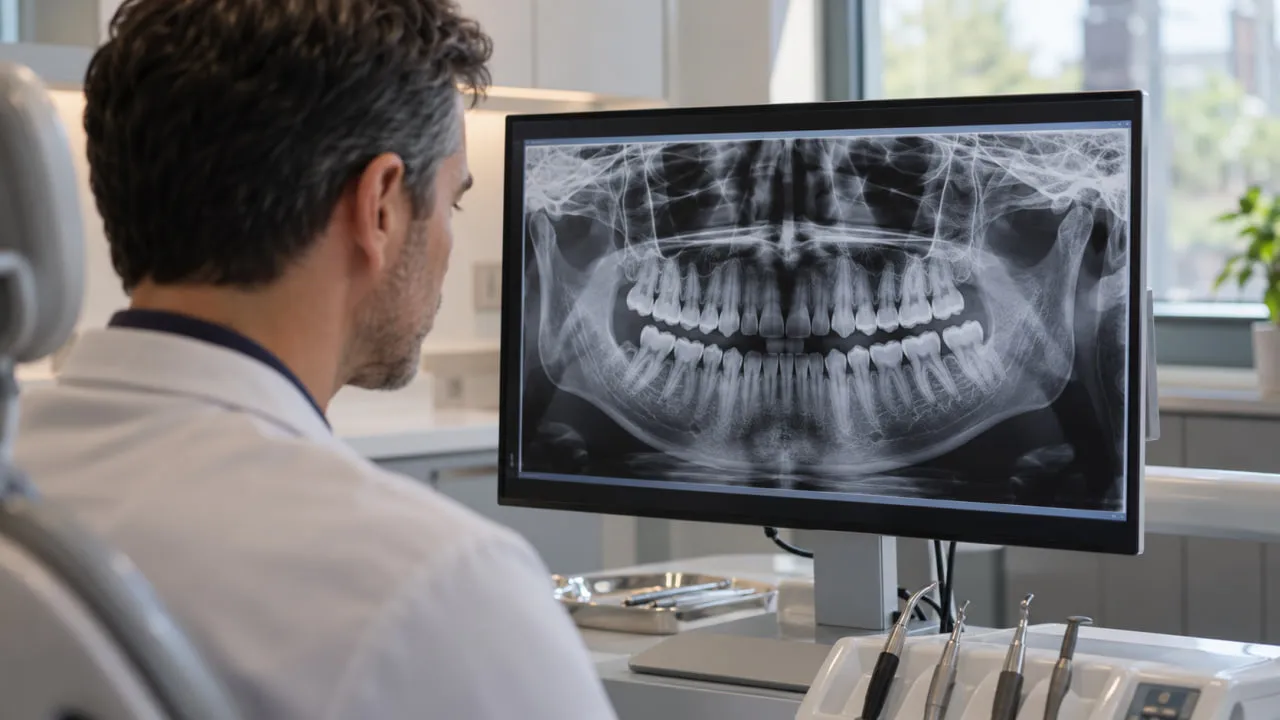
The dental check-up cost depends partly on the type of examination. A complete new-patient examination and a recall examination are different services. The dental X-ray cost depends on the number and type of images required.
X-rays are not taken automatically at every cleaning. The decision rests on your history, symptoms, previous images, and clinical findings.
7. Clinic, Location, and Fee-Guide Differences
Dentists establish their own fees, shaped by appointment time, staffing, equipment, overhead, and location. That is why two offices in the same region can quote different teeth cleaning fees for a similar amount of scaling.
How Are Scaling Fees Calculated by Time?
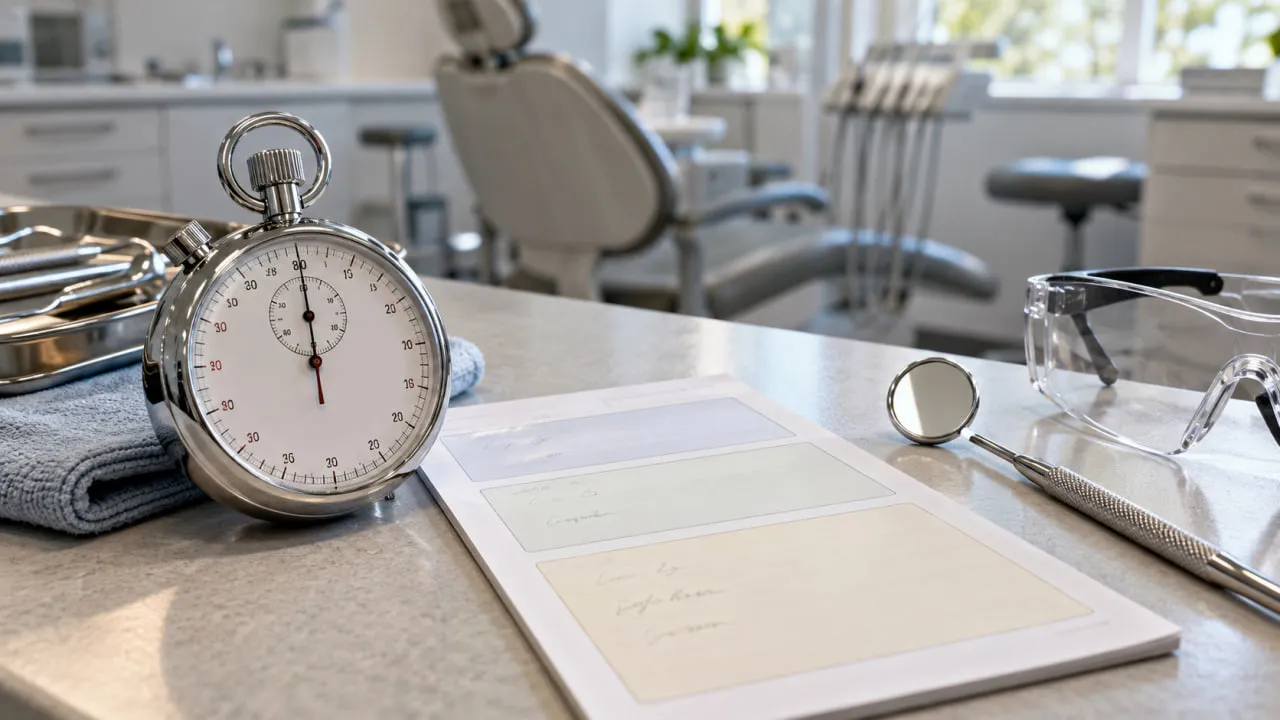
Many Ontario offices record scaling in scaling units. A common model uses one 15-minute scaling unit as the building block, so recorded time drives that part of the charge.
This illustrates time units, not a guaranteed fee schedule. Ontario clinics do not all charge the same dollar amount per unit, so your scaling cost depends on the office's own unit fee and the time actually needed.
Consider two adults booked for recall appointments. One has limited buildup and needs about 30 minutes of scaling. The other has heavier deposits and a longer gap since the last visit, so scaling takes closer to 60 minutes.
The second appointment can cost more because four units are recorded instead of two. This is also why teeth cleaning fees quoted by phone may be given as a range until the hygiene team has assessed the amount of scaling needed.
Routine Cleaning vs. Deep Cleaning: Why Costs Differ
“Deep cleaning” is commonly used to describe periodontal treatment, not a more expensive version of the same routine visit.
Scaling and root planing and other periodontal care are recommended based on clinical findings such as pocket measurements, bleeding, X-rays, and history. Treatment may need extra time, separate areas, and more than one visit.
Because the extent varies widely, there is no universal deep cleaning price. Heavy tartar alone does not establish gum disease. Diagnosis depends on the overall clinical findings, which may include periodontal measurements and X-rays when indicated.
What Is the Ontario Dental Fee Guide?
The Ontario Dental Association publishes an annual Suggested Fee Guide that lists services by technical procedure code. Dentists and insurers may use the Ontario Dental Association fee guide as a reference point, but dentists are not required to follow it.
A dental plan may base payments on the current guide or an earlier edition, so the provider’s fee and the amount recognized by the insurer may differ. The ODA explains how Ontario dental fees are established and why offices do not all charge the same amount.
The Royal College of Dental Surgeons of Ontario requires dentists to tell patients when they intend to charge above the suggested guide. You can also ask whether the estimate follows the current guide or an office-specific fee.
Are Dental Cleanings Covered by Insurance?

Many private plans include preventive care, but what you pay depends on:
- Your plan and its eligible services
- Frequency limits
- Any deductible and co-payment
- Your annual maximum and remaining benefits
- The fee schedule your insurer uses
Scaling, examination, X-rays, polishing, and fluoride may each be processed under a different code. Dental insurance coverage for one part of a visit therefore does not guarantee coverage for the other services. A claim statement may show several separate lines for one appointment.
Family Dental Care Cayuga accepts private and employer dental plans. Eligible claims may be submitted electronically, and direct billing may be available when your plan permits it.
What Should You Confirm With a Private Dental Plan?
Before booking a dental cleaning with insurance, check:
- Eligible scaling units
- Frequency limits
- Examination eligibility
- X-ray eligibility
- Polishing or fluoride coverage
- Deductible or co-payment
- Remaining annual maximum
A predetermination or benefit check is useful, but it does not guarantee payment.
Can CDCP Help Pay for a Dental Cleaning?
The Canadian Dental Care Plan may contribute toward eligible examinations, X-rays, cleaning or scaling, fluoride, and some periodontal services.
A CDCP dental cleaning still depends on the plan’s rules. Eligibility must be active on the date of service, frequency and service limits may apply, and some services or requests beyond established limits may require preauthorization. CDCP pays according to its established fees, so a co-payment or additional patient charge may remain.
Accepting CDCP does not make every service free, and the dental office does not decide eligibility. Family Dental Care Cayuga accepts CDCP. Patients reviewing their CDCP renewal status should confirm that coverage is active before the appointment.
How Can I Lower Dental Cleaning Costs?
Cost control starts with information, not with skipping care. These steps can lower or clarify your out-of-pocket dental cost:
- Keep up with home care and recommended preventive visits. Your individual interval should reflect your oral health and clinical findings.
- Ask for a written or itemized estimate. This makes it easier to see which services contribute to the total.
- Confirm what the quote includes. Ask whether it covers scaling only or additional services.
- Check private insurance benefits. Confirm eligible services and remaining benefits before the appointment.
- Verify active CDCP coverage. Membership and coverage details should be current on the date of service.
- Ask whether recent X-rays can be transferred. Existing images may be useful if they are current and clinically suitable.
- Ask why each service is recommended. The explanation should relate to your findings and care needs.
- Ask about current payment arrangements. Availability varies, so do not assume a particular option is offered.
Clear answers on these points make teeth cleaning fees easier to anticipate without delaying recommended care.
Ask What Your Cleaning Visit May Cost
Online benchmarks are a starting point, but teeth cleaning fees for your visit depend on an individualized assessment of scaling time and gum condition, plus any recommended examination, X-rays, polishing, or fluoride.
Family Dental Care Cayuga welcomes new patients from Cayuga and Haldimand County, including Caledonia, Hagersville, and Dunnville. We accept private insurance and CDCP where applicable. Same-day cleaning appointments may be available, although openings vary.
Family Dental Care Cayuga
5 Talbot St W, Unit 1
Cayuga, ON N0A 1E0
Call (905) 772-3535 to Arrange a Dental Assessment
Frequently Asked Questions
How often should I get a dental cleaning?
There is no universal interval. Timing depends on gum health, how quickly buildup returns, cavity risk, medical factors, previous findings, and your clinician's recommendation.
What is included in a dental cleaning?
Scaling is the central part. Polishing or fluoride may be added when appropriate, while an examination and X-rays are often separate services with separate fees.
Is dental cleaning covered by the Canadian Dental Care Plan (CDCP)?
Eligible scaling and some related preventive and diagnostic services may be covered. Active eligibility, limits, CDCP's established fees, co-payments, and possible additional charges all affect your portion.
What if I do not have dental insurance?
Without coverage, teeth cleaning fees become the patient’s responsibility. Request an itemized estimate, ask what it includes, and discuss whether multiple recommended services can be sequenced appropriately. You may also ask what payment arrangements, if any, are currently available.