
Signs You Need a Root Canal: 7 Warnings and Helpful Next Steps

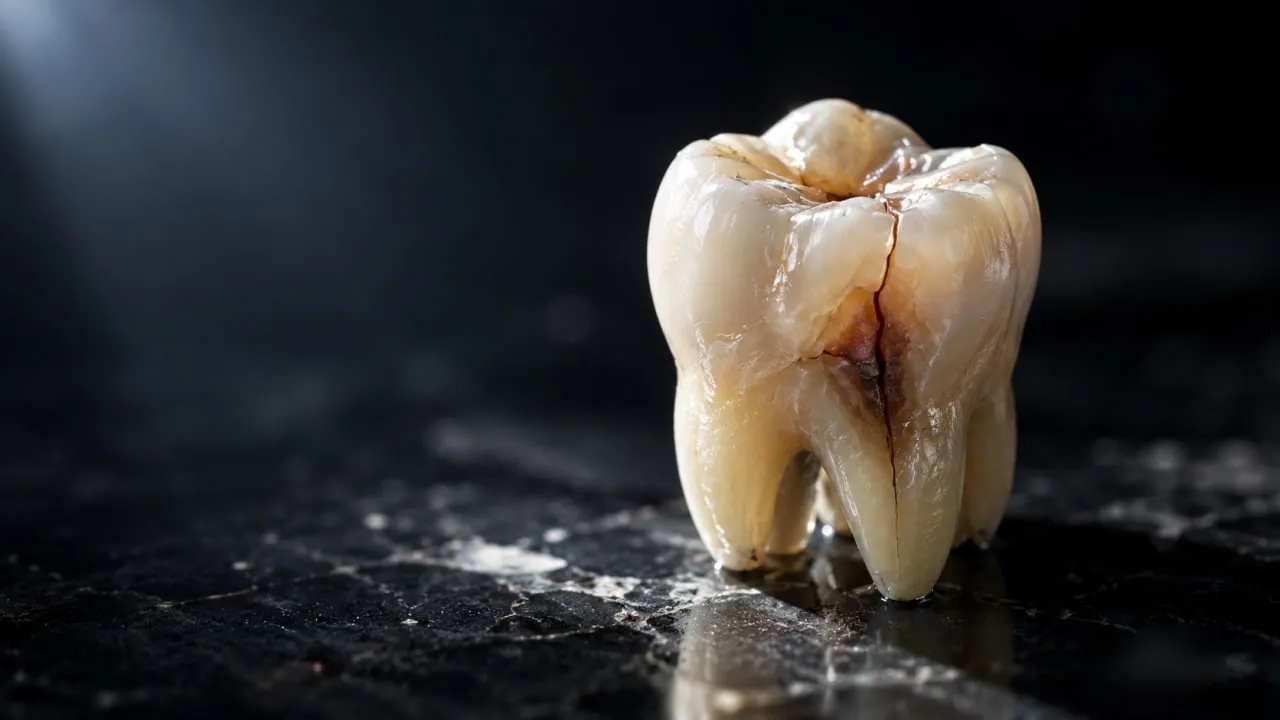
Learn 7 signs you need a root canal, how dentists assess an affected tooth, and when to seek urgent dental care in Cayuga and Haldimand County.
The signs you need a root canal can resemble the root canal symptoms caused by several other dental problems. A tooth may ache at night, react to cold water, or hurt when you bite, but deep decay, a crack, gum disease, a damaged filling, and even sinus pressure can feel similar. A symptom list cannot diagnose a particular tooth. It can, however, help you recognise a change that deserves attention and decide how quickly to arrange an assessment. These seven warning signs are worth discussing with a local Haldimand County dentist, especially when they persist, return, or become more noticeable.
What Is a Root Canal and When Might It Be Recommended?
Inside each tooth is soft tissue called pulp, which contains nerves, blood vessels, and connective tissue. Deep decay, a crack, a damaged restoration, repeated dental work, or trauma can inflame or infect it.
Root canal treatment removes damaged pulp, cleans and seals the root canals, and allows restoration. It may be recommended when testing shows that the pulp cannot recover and the tooth can reasonably be retained. Symptoms raise the question; they do not determine treatment.
7 Signs You Need a Root Canal Evaluation
1. Tooth Pain That Persists or Keeps Returning

Pulp inflammation can cause spontaneous pain that wakes you at night or feels difficult to trace to one tooth. It may settle and return. Intensity alone does not reveal the cause: decay, a crack, an uneven bite, or a gum problem can also produce persistent tooth pain.
2. Sensitivity That Lingers After Hot or Cold
A brief response to ice cream may come from exposed dentine or early decay. Sensitivity continuing after the temperature has gone is more concerning. Lingering tooth sensitivity can also arise from worn enamel, a leaking restoration, or a crack, so its duration and pattern need assessment.
3. Pain When Biting or Releasing Pressure
Pain when chewing can occur when tissue around the root is inflamed. A cracked cusp, a high restoration, or a periodontal problem may feel similar. Tell the dentist whether pain occurs when biting, releasing pressure, or both; it can help narrow the source.
4. Gum Swelling or a Small Draining Bump
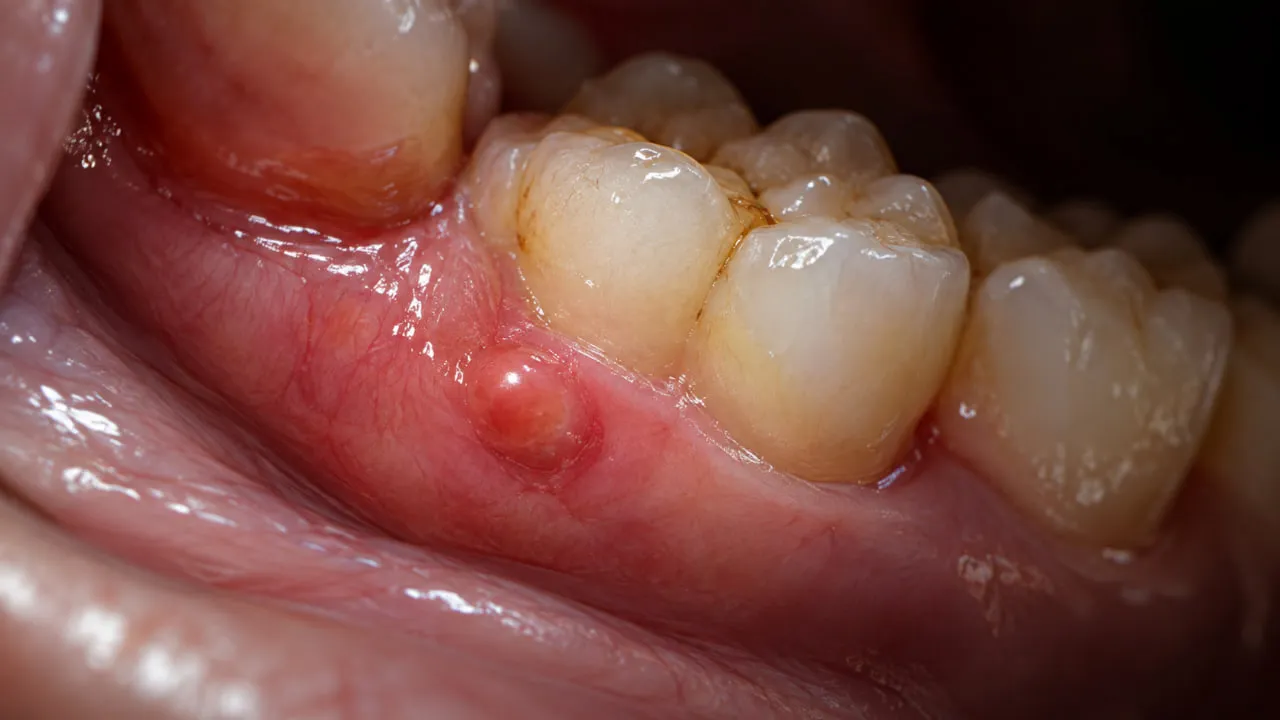
Tender swelling beside a tooth or a bump that drains and returns can develop when infection finds a pathway through bone. Often called a gum boil, it is not automatically a cyst. An unpleasant taste may accompany drainage, but bad taste or bad breath alone does not identify infected tooth pulp.
5. A Tooth That Has Become Darker
A tooth may look grey or dull after its blood supply is affected, sometimes long after injury. The relevant change is in the tooth, not the gum. Staining, an older metal filling, and previous treatment can also alter colour, so tooth discolouration requires examination.
6. A Chipped, Cracked, or Injured Tooth
A deep chip or crack may expose the pulp to bacteria, while a blow can damage its blood supply even if the tooth looks intact. Symptoms may not appear immediately. Many cracks remain limited to the outer tooth and do not require root canal treatment; their depth, direction, and effect on the pulp guide the decision.
7. Unusual Looseness Around One Tooth
Mobility is the least specific warning sign here. Infection near a root can affect surrounding support, but gum disease, bone loss, trauma, grinding, and bite forces are common alternatives. A loose tooth does not automatically require a root canal. Its pulp, gums, bone, and bite must be assessed together.
The signs you need a root canal assessed make more sense alongside other possible causes:
Seek prompt care; use emergency services for breathing or swallowing problems
What Can Damage the Tooth Pulp?
Decay, cracks, and gaps around older restorations can let bacteria reach the pulp. Trauma may also interrupt its blood supply without an open cavity. These are risk factors, not a diagnosis. Old fillings, chips, and injuries can exist over healthy pulp, so the signs you need a root canal must be considered with clinical findings.
When Should You Call a Dentist?
Arrange an appointment when pain, sensitivity, swelling, or another unexplained change persists or worsens. Family Dental Care Cayuga offers same-day emergency dental care in Cayuga during office hours and next-day appointments for problems beginning after hours.
Difficulty breathing or swallowing, swelling towards the eye or neck, major facial trauma, or severe illness requires emergency medical attention. Call 911 or go to an emergency department. Do not wait for several signs you need a root canal before asking for help.
How a Dentist Determines Whether the Pulp Is Affected
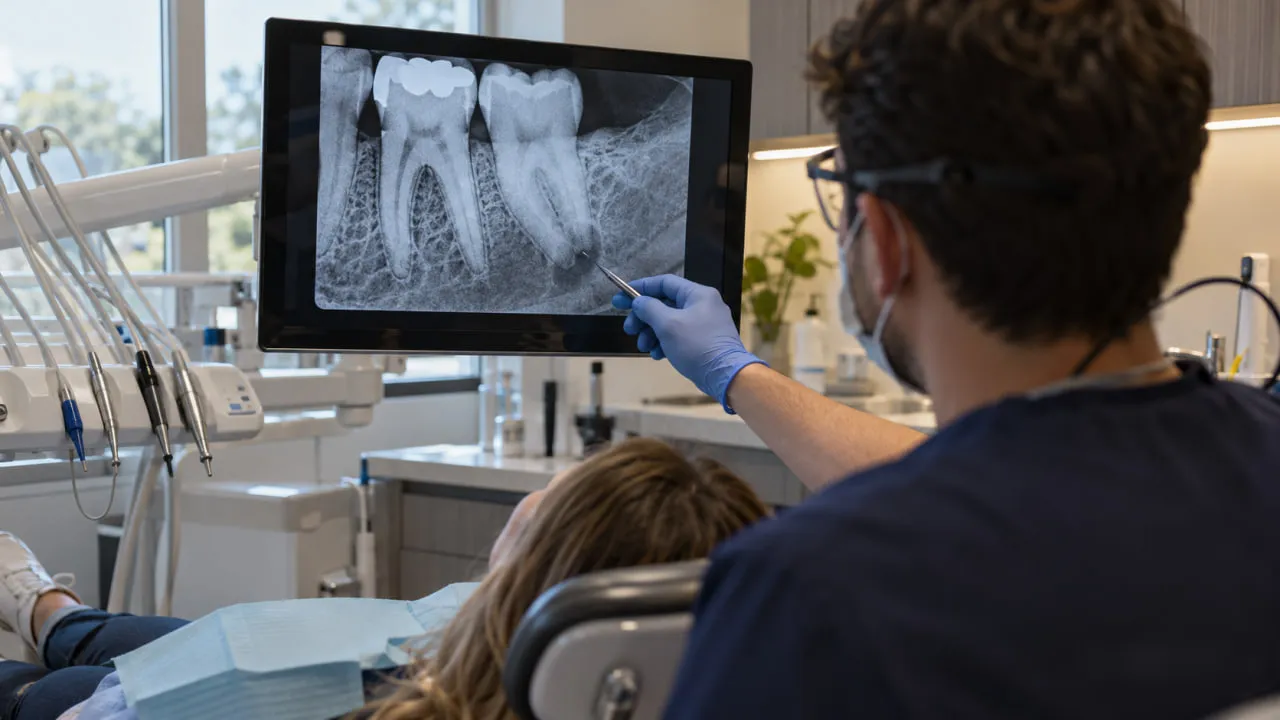
The dentist reviews the symptoms and examines the tooth, surrounding tissues, and bite. Tapping, temperature, or an electrical pulp test may be appropriate. Dental X-rays can show decay, root anatomy, earlier treatment, and bone changes.
Cracks, gum disease, bite problems, and referred pain may also be considered. A tooth can require treatment with little pain, while discomfort may fade when pulp stops responding. The signs you need a root canal are evaluated together, not used as an at-home test.
What Can Happen If Treatment Is Delayed?
Infected pulp does not usually recover on its own. An abscess may form, nearby tissues can become involved, and restoration may become more difficult. The pace is unpredictable.
Pain may decrease when pulp loses vitality, so improvement does not prove the cause has resolved. Waiting for the signs you need a root canal to disappear can leave the problem untreated. Antibiotics may help selected spreading infections, but do not clean or seal the tooth.
How Root Canal Treatment May Help Retain a Tooth
Treatment removes damaged tissue and seals the canals. Retaining a restorable natural tooth can preserve chewing and reduce movement of nearby teeth.
Root canal treatment in Cayuga is considered when the pulp is affected and the tooth can reasonably be restored. A deep root fracture, limited remaining structure, or complex anatomy may change the options or require referral.
How to Prepare for the Appointment
Describe when the problem began, its triggers, and any earlier injury or treatment. Share your health conditions and medications, and ask about anaesthesia, sedation, expected visits, and restoration. Do not stop medication or fast without individual instructions. Sedation may also change transportation requirements.
What Happens During Root Canal Treatment?
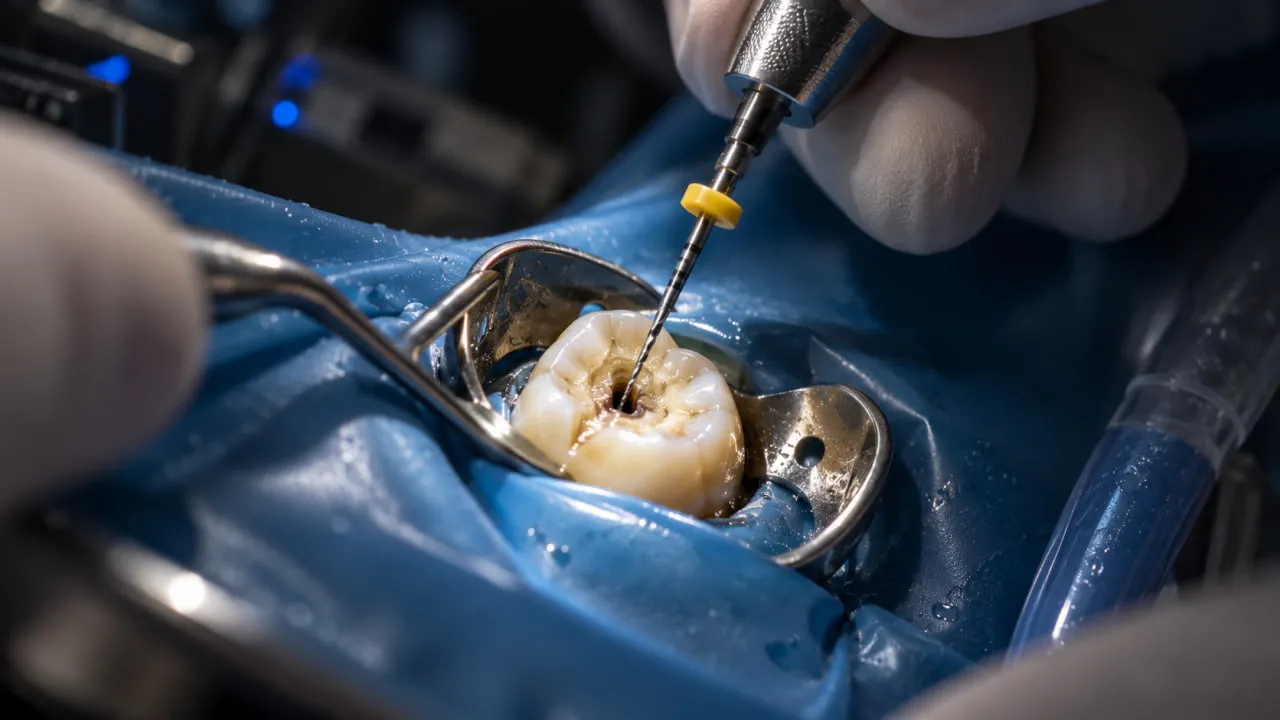
The details vary, but treatment generally involves:
- Numbing the area with local anaesthetic.
- Isolating the tooth, commonly with a dental dam.
- Opening the tooth and removing damaged pulp.
- Cleaning and shaping the canals.
- Filling and sealing the canal system.
- Closing the tooth with a temporary or final restoration.
The Canadian Dental Association's explanation of root canal treatment covers the procedure and restoration. Timing and visits depend on the tooth, its anatomy, infection, and treatment plan.
Possible Risks and Reasons Further Care May Be Needed
Symptoms may persist or return because of difficult canal anatomy, reinfection, or an unseen crack. Sometimes too little healthy structure remains. Further care may involve monitoring, retreatment, referral, root-end surgery, or extraction, depending on the findings. These are possibilities, not expected outcomes for every patient.
What to Expect During Root Canal Recovery

Numbness can last several hours. Temporary tenderness may also occur, so avoid heavy chewing on the tooth until it is restored and follow your instructions.
Contact the office for worsening pain, swelling, returning symptoms, an uneven bite, or a lost temporary restoration. The final restoration may be a filling or a custom dental crown, depending on the tooth's position, biting forces, and remaining structure. A crown is not automatic.
Can You Lower the Chance of Needing a Root Canal?

Daily care and timely treatment can reduce decay and damage:
- Brush twice daily with fluoride toothpaste.
- Clean between the teeth each day.
- Attend examinations at the interval recommended for you.
- Have decay, damaged restorations, and cracks assessed early.
- Use a sports mouthguard or night guard when advised.
- Arrange an assessment after dental trauma.
These habits may reduce the chance of developing the signs you need a root canal, but cannot guarantee prevention.
Getting Tooth Symptoms Assessed in Cayuga
Recognising the signs you need a root canal means knowing when to seek an assessment not choosing treatment yourself. Family Dental Care Cayuga examines painful, sensitive, swollen, and damaged teeth in Cayuga and Haldimand County. Dr. Benjamin Chiu is a general dentist who performs the clinic's root canal treatments; complex cases may require specialist referral.
The clinic accepts many private and employer plans and the Canadian Dental Care Plan (CDCP). Eligible claims can be submitted electronically, with direct billing available where permitted. Coverage and patient portions vary.
If discomfort returns or the tooth has changed, call (905) 772-3535 to arrange an assessment. The findings will determine whether root canal treatment or different care is appropriate.
Frequently Asked Questions About Root Canal Symptoms and Treatment
Does a Root Canal Hurt?
Local anaesthetic is used before treatment, and the dentist checks the area before proceeding. Pressure or vibration may be noticeable, and temporary tenderness can follow. Tell the dentist about discomfort or anxiety so the approach can be adjusted when appropriate.
How Long Does Root Canal Treatment Take?
Timing depends on the tooth, canal anatomy, infection, previous treatment, and restoration plan. A front tooth may be less complex than a molar, but an examination and dental X-rays are needed to estimate appointment length and visits.
Does Every Root Canal-Treated Tooth Need a Crown?
No. The decision depends on tooth location, remaining structure, existing restorations, biting forces, and fracture risk. Back teeth often require broader coverage, while another tooth may be restored differently. The dentist recommends a filling or crown after assessment.
Can a General Dentist Perform Root Canal Treatment?
Yes. A general dentist may provide treatment within their training and clinical scope. Complex anatomy, previous unsuccessful treatment, or complications may require a certified endodontist. Dr. Chiu provides treatment as a general dentist, not an endodontist.
Why Can a Previously Treated Tooth Become Painful Again?
Possible causes include reinfection through a leaking restoration, difficult canal anatomy, a crack, heavy bite pressure, or a nearby tooth. Pain alone cannot identify the source. The tooth, restoration, bite, and surrounding tissues need examination before further treatment.
How Long Can a Root Canal-Treated Tooth Last?
Many appropriately treated and restored teeth remain functional for years, but lifespan is not guaranteed. It depends on remaining structure, the final restoration, oral hygiene, biting forces, and future disease. Ongoing dental care still matters.
Can I Drive Home After Root Canal Treatment?
People receiving local anaesthetic alone can often drive afterwards, but instructions may differ. Sedation or certain medications can impair driving and require an adult escort. Confirm transportation requirements beforehand, particularly if sedation is planned.
What Affects the Cost of Root Canal Treatment?
Cost varies with the tooth, canal anatomy, complexity, previous treatment, imaging, appointments, referral, and final restoration. Private insurance and CDCP coverage differ by plan and service. An examination is needed before the clinic can provide a treatment plan and estimate.