
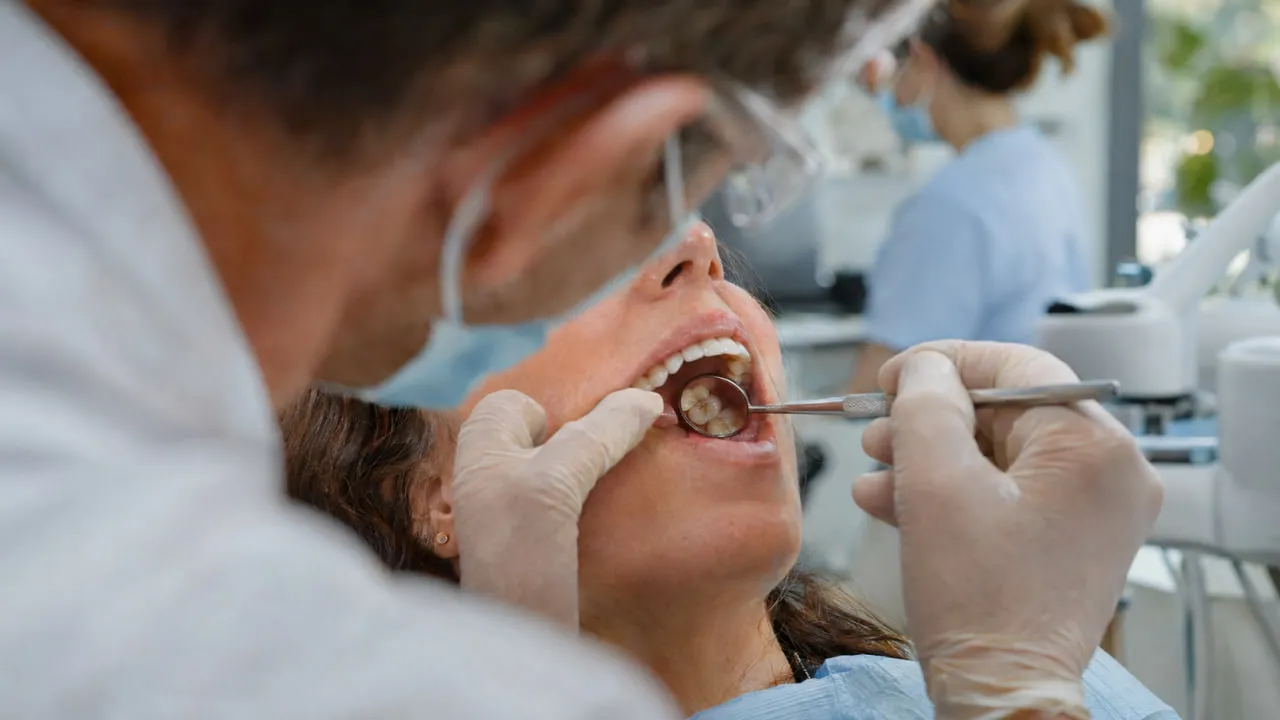
Learn the difference between dental caps and crowns, when a crown is needed, available materials, treatment steps, costs, insurance and CDCP coverage, and long-term care.
The phrase dental cap crown often leaves people wondering whether they are being offered two different treatments, but a tooth cap and a dental crown are the same full-coverage restoration under two names. The mix-up is understandable. Treatment plans and insurance forms say "crown," while many adults grew up hearing "cap." The word "crown" also describes the natural top of every tooth, which adds another layer of confusion. Whether a crown suits a particular tooth is a separate question, and the answer depends on how much healthy structure remains, how the tooth meets the bite, and what an examination shows. This article explains how dentists weigh that decision and what to ask before treatment begins.
Dental Cap Crown: Is There a Difference?
No. The cap vs crown question has a short answer: both words name one restoration covering the visible portion of a prepared tooth. "Crown" is the clinical term used in records and insurance codes, while "cap" is everyday language for the same thing. The Canadian Dental Association uses both names in its patient guidance.
A restoration covering only part of the chewing surface is not a different kind of cap. It is an inlay or onlay, a separate treatment. And when a dentist mentions placing a crown, they mean an artificial restoration, not the tooth's natural enamel-covered crown.
What Is a Dental Crown?
A dental crown is a custom restoration that fits over a tooth after the dentist has shaped, or prepared, it. It restores shape, covers the remaining structure, supports chewing, and often improves appearance. Each dental cap crown is designed for one tooth and its bite. Crowns do not make every tooth stronger or prevent all future damage.
Three terms are worth keeping separate:
- Natural tooth crown: the part of your own tooth that sits above the gums.
- Artificial crown: a restoration cemented over an existing, prepared tooth.
- Implant-supported crown: a crown attached to a dental implant that replaces a missing tooth.
The practice's page on dental crowns and bridges explains how these restorations are planned at the Cayuga office.
When Are Dental Crowns Necessary?

No kind of damage automatically requires a crown. The five reasons below are common situations in which a dentist may discuss a dental cap crown, and the actual recommendation depends on the examination, imaging, and the healthy structure that remains.
1. Extensive Decay or a Failing Large Filling
When decay is removed or a large filling fails, the dentist assesses the sound tooth around it. Thin, undermined walls can flex under chewing pressure, and another filling may not support them.
As a general example, one molar has a small cavity surrounded by thick walls, and a filling may repair it well. Another has a failing large filling and only a thin shell of tooth left, so a crown or onlay may be discussed. Neither describes a real patient.
2. A Fractured or Cracked Tooth
A cracked tooth can mean a superficial craze line in the enamel, a broken cusp, or a crack running toward the root. The dentist considers location, depth, symptoms such as pain on biting, remaining structure, and restorability.
Some cracks only need monitoring, and others can be bonded or filled. A crown may be suggested when a crack risks spreading in a restorable tooth, while a crack extending deep toward the root can substantially limit the restorative options.
3. Selected Teeth After Root Canal Treatment
Root canal therapy treats the tissue inside a tooth but does not rebuild its outer walls, and a crown does not treat infection. Whether a dental crown after root canal makes sense depends on lost structure and the chewing forces involved.
Back teeth that have lost substantial structure are often discussed for coverage after root canal treatment. A front tooth with most of its structure intact may be restored with a filling instead. Not every root-canal-treated tooth needs a crown.
4. Significant Wear or Lost Chewing Function
Grinding, clenching, acid erosion and abrasive habits can wear teeth until they are shorter, more sensitive, or less effective for chewing. Rebuilding lost shape may be considered, but crowns placed without addressing the cause face the same forces. The bite and wear pattern need assessment first.
5. Certain Shape or Discoloration Concerns
A crown may sometimes address a badly misshapen or darkly discolored tooth, particularly one that also has large restorations or structural weakness. For a structurally sound tooth, whitening, bonding or veneers may meet the cosmetic goal while preserving more natural enamel.
Types of Dental Crowns
The table compares the main types of dental crowns in general terms.
Tooth position changes the demands. A porcelain crown on a front tooth is judged largely on appearance, while a zirconia crown or metal crown on a lower molar must handle heavier biting forces. Remaining structure, available space, grinding habits, and metal sensitivity also shape the choice.
No single dental cap crown material suits every mouth, and not every practice uses every material listed.
How Can I Prepare for a Dental Crown Procedure?
Before agreeing to a dental cap crown, consider asking:
- What did the examination and imaging show?
- Is a filling, inlay, onlay, veneer, or monitoring a reasonable alternative?
- Which material is being proposed, and why?
- How many appointments may be involved?
- How will the tooth be protected between appointments?
- Is local anesthetic expected?
- What short-term sensitivity or tenderness may occur?
- Are the final restoration, core, post, laboratory work, examination, or imaging quoted separately?
- Can I receive a written estimate?
- Should any medical condition, medication, allergy, grinding habit, or dental anxiety affect planning?
Mention any allergy to metals or latex, current medications, or a strong gag reflex.
What Happens During a Dental Crown Procedure?
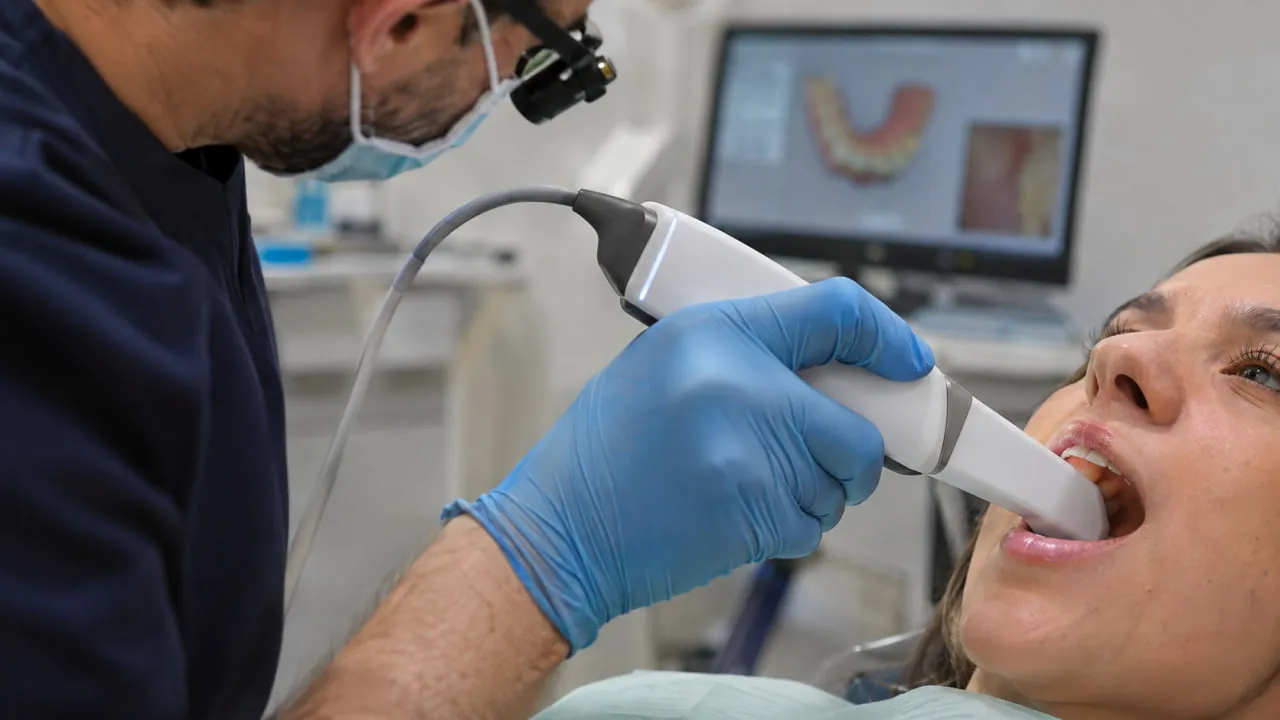
The exact crown procedure varies with the tooth, but the broad sequence usually looks like this:
- Examination and any appropriate imaging
- Discussion of findings and reasonable options
- Tooth preparation under local anesthetic if treatment proceeds, with a core build-up where structure is missing
- Digital scan or other record of the prepared tooth, neighboring teeth and bite
- Temporary crown placement when applicable
- Laboratory fabrication of the final crown
- Fit, color, contact and bite checks
- Final cementation once the crown is clinically acceptable
At Family Dental Care Cayuga, an iTero digital scanner records the prepared tooth and bite in applicable crown cases, which can reduce or replace the need for a traditional impression tray. Scanning is not suited to every situation. Each dental cap crown made through this workflow is fabricated by a dental laboratory and placed at a later appointment.
Some clinics mill ceramic crowns in-office during one longer visit to reduce appointments. Suitability varies, and that is a different workflow from the laboratory process described here.
How Soon Will I Recover?
Many immediate effects improve as the area settles, but the timing varies by tooth and treatment. Common experiences include:
- Numbness until the anesthetic wears off. Avoid chewing until then to prevent biting your lip or cheek.
- Gum tenderness around the treated tooth.
- Hot or cold sensitivity for a short period.
- Bite awareness while you adjust. A bite that feels noticeably high should be checked.
With a temporary crown, choose softer foods, chew on the other side, and skip sticky or very hard items. Contact the office if pain or swelling worsens, sensitivity becomes severe, or the bite still feels high once the numbness is gone.
What Are the Benefits of Dental Crowns?
When the tooth is suitable, a crown may:
- Cover weakened remaining structure
- Restore a natural contour that fits with neighboring teeth
- Support more comfortable chewing
- Improve color or shape in selected cases
- Form part of a broader restorative plan, such as anchoring a bridge
These benefits depend on a good fit and ongoing care. A crown cannot guarantee protection from later decay, fracture, loosening, wear, or eventual replacement.
What Are the Disadvantages of Dental Crowns?
Potential drawbacks include:
- Irreversible tooth reduction to make room for the crown
- Sensitivity, usually temporary, though the nerve occasionally needs treatment later
- Fit or bite concerns that require adjustment
- Chipping or wear of ceramic surfaces or opposing teeth
- Loosening if the cement seal or supporting tooth changes
- Margin decay where the crown meets the natural tooth
- Material reactions, which are uncommon
- Future repair, recementation or replacement
- Cost and treatment time compared with a simple filling
The balance changes from tooth to tooth. Limited remaining structure may favor broader coverage, while a more conservative repair may be reasonable when enough sound tooth remains.
Veneers vs. Crowns: Which Option Is Right for Me?
As a general illustration, a structurally sound but discolored front tooth may suit whitening, bonding or a veneer, each of which preserves more enamel. A front tooth with a large filling or a fracture presents a different problem, and a thin veneer bonded to it may not hold up. Neither example represents a real patient.
Veneers bond best to enamel, and grinding raises chipping risk. For a badly weakened tooth, the two are not interchangeable.
What Is the Most Common Alternative to a Crown?
For moderate damage, a direct filling is often the most common alternative. Other options include:
- Direct fillings when strong walls remain
- Inlays, laboratory-made restorations that fit within the cusps
- Onlays, which replace one or more cusps and preserve more tooth
- Monitoring for selected stable cracks or restorations
- Veneers for mainly cosmetic concerns, as compared above
- Extraction and replacement when a tooth cannot be predictably restored
The crown vs filling decision is not about which is better or cheaper in general. It turns on remaining structure, decay, cracks, symptoms, the bite, and restorability.
How Do Dental Bridges and Implants Use Crowns?

- Conventional bridge: crowns on suitable neighboring teeth support a replacement tooth joined between them.
- Implant-supported crown: a crown attached to an implant placed in the jaw to replace a missing tooth.
A crown on a natural tooth covers a tooth that is still present, while a bridge or implant replaces one that is missing or cannot reasonably be restored. These are separate treatment decisions rather than interchangeable uses of the word “crown.”
What Can Happen If Crown Treatment Is Delayed?
The effect of waiting depends on why a crown was recommended:
- An actively cracked tooth: the crack may extend toward the root and narrow the options, though some cracks stay stable.
- A failing large restoration: decay may progress beneath it, or another break may leave less tooth to work with.
- A temporary crown: not built for long-term use, it can wear or loosen, and nearby teeth may shift.
- A root-canal-treated tooth awaiting final restoration: depending on the remaining structure, it may be more vulnerable to fracture or leakage.
Not every delay leads to infection, fracture or tooth loss. If cost or anxiety is the obstacle, mention it; a staged plan may be possible.
What Affects Dental Crown Cost in Canada?
Dental crown cost in Canada varies because every tooth differs, and Ontario dentists set their own fees. An online price range is not a quote. Fees may depend on:
- Tooth condition and preparation complexity
- The material selected
- Laboratory fabrication
- Core build-up
- A post, when appropriate
- Examination and imaging
- Additional treatment
- The provider's fees
Confirm the fee for a dental cap crown with an itemized written estimate after an examination. Check whether laboratory fees, core, post and temporary crown are listed separately.
Does Insurance Cover Dental Crowns?
Four questions matter: whether the clinic accepts your plan, whether a crown is eligible, how much the plan pays, and what remains as your portion.
Private and employer plans. Benefits vary by contract. Crowns may be subject to deductibles, co-payments, annual maximums, frequency limits, and alternate-benefit rules. A predetermination estimates the benefit but does not guarantee payment.
At Family Dental Care Cayuga. The practice accepts private and employer dental plans and the Canadian Dental Care Plan (CDCP). Eligible claims may be submitted electronically where applicable, and direct billing or assignment depends on the plan. Acceptance does not confirm coverage.
CDCP. Under the federal Dental Benefits Guide effective April 1, 2026:
- Specified single-unit crowns may be considered for eligible members age 18 and older.
- Eligible single-unit crowns require preauthorization, and approval is not automatic.
- Tooth eligibility, restorability, clinical criteria and frequency limits apply. Crowns placed only to improve appearance are not covered.
- A root-canal-treated tooth must have healed before a crown is requested.
- Implant-supported crowns, implant-related procedures and bridges are excluded.
- CDCP fees may differ from provider fees, so a co-payment or additional charge may apply.
- Coverage must be active on the date of service.
OHIP does not cover dental services provided in a dentist's office.
How Long Do Crowns Last?
Crowns are long-lasting restorations, not permanent ones. As a general reference, the Canadian Dental Association notes that crowns can last 10 years or longer with good care, but no figure can predict an individual result. How long a dental cap crown lasts depends on material, fit, the tooth underneath, bite, grinding or clenching, margin decay, oral hygiene, habits, trauma, and routine monitoring. Eventually it may need recementation, repair or replacement.
How Do I Care for My Dental Crown?

Dental crown care focuses on the margin where the crown meets the tooth:
- Brush twice daily with fluoride toothpaste.
- Clean between teeth and around the crown margin every day.
- Keep routine dental examinations.
- Avoid chewing ice or pens, and do not open packages with your teeth.
- Be cautious with very hard or sticky foods.
- Discuss a night guard if examination findings suggest grinding or clenching.
For a temporary crown, follow the instructions you receive and slide floss out sideways instead of lifting it up through the contact. Call the office if the temporary loosens or comes off.
When Should I Call a Dentist?
Contact the dental office about:
- Persistent or worsening pain
- Swelling
- A bite that continues to feel high
- A cracked, chipped or loose dental crown
- A lost temporary crown
- A sharp edge
- An unpleasant taste or drainage
- Fever with worsening dental symptoms
If a crown comes off, save it in a clean container and never use household glue. Call for advice: through the practice's emergency dental care, same-day appointments may be available during office hours, or next-day if a problem starts after hours.
Call 911 or go to the nearest emergency department for difficulty breathing or swallowing, rapidly spreading swelling, or severe illness.
Concerned about a damaged or loose crown? Call Family Dental Care Cayuga at (905) 772-3535 to discuss the problem and arrange an appropriate assessment.
Frequently Asked Questions
Does Getting a Dental Crown Hurt?
Local anesthetic is used before the tooth is prepared. You may still notice pressure or vibration while the dentist works. Once the numbness fades, the gums and tooth may feel tender or sensitive for a short time. Contact the office if pain is severe, keeps worsening, or comes with swelling.
Can You Whiten a Dental Crown?
Conventional whitening lightens natural tooth color but does not predictably change the shade of crown materials. When appropriate, whitening may be completed before a new crown's shade is chosen so the restoration can be matched afterward. An existing crown may look darker than its neighbors after whitening.
How Long After a Root Canal Do You Need a Crown?
There is no universal deadline. Timing depends on the tooth, remaining structure, symptoms, healing, the temporary restoration, and the treatment plan. Some treated teeth are restored with a filling and never need a crown. When one is recommended, the dentist can explain the suggested timing and how to protect the tooth meanwhile.
Unsure Whether Your Tooth Needs a Crown?
A chipped, cracked, worn or heavily restored tooth does not always need the same treatment. An examination helps determine whether a filling, a dental cap crown, another restoration, monitoring, or a different option is reasonable for that tooth.
Family Dental Care Cayuga welcomes patients from Cayuga and across Haldimand County at 5 Talbot St W, Unit 1, Cayuga, ON N0A 1E0. Call to describe your concern and arrange an assessment before any treatment is planned.
Call (905) 772-3535 to Arrange a Dental Assessment